
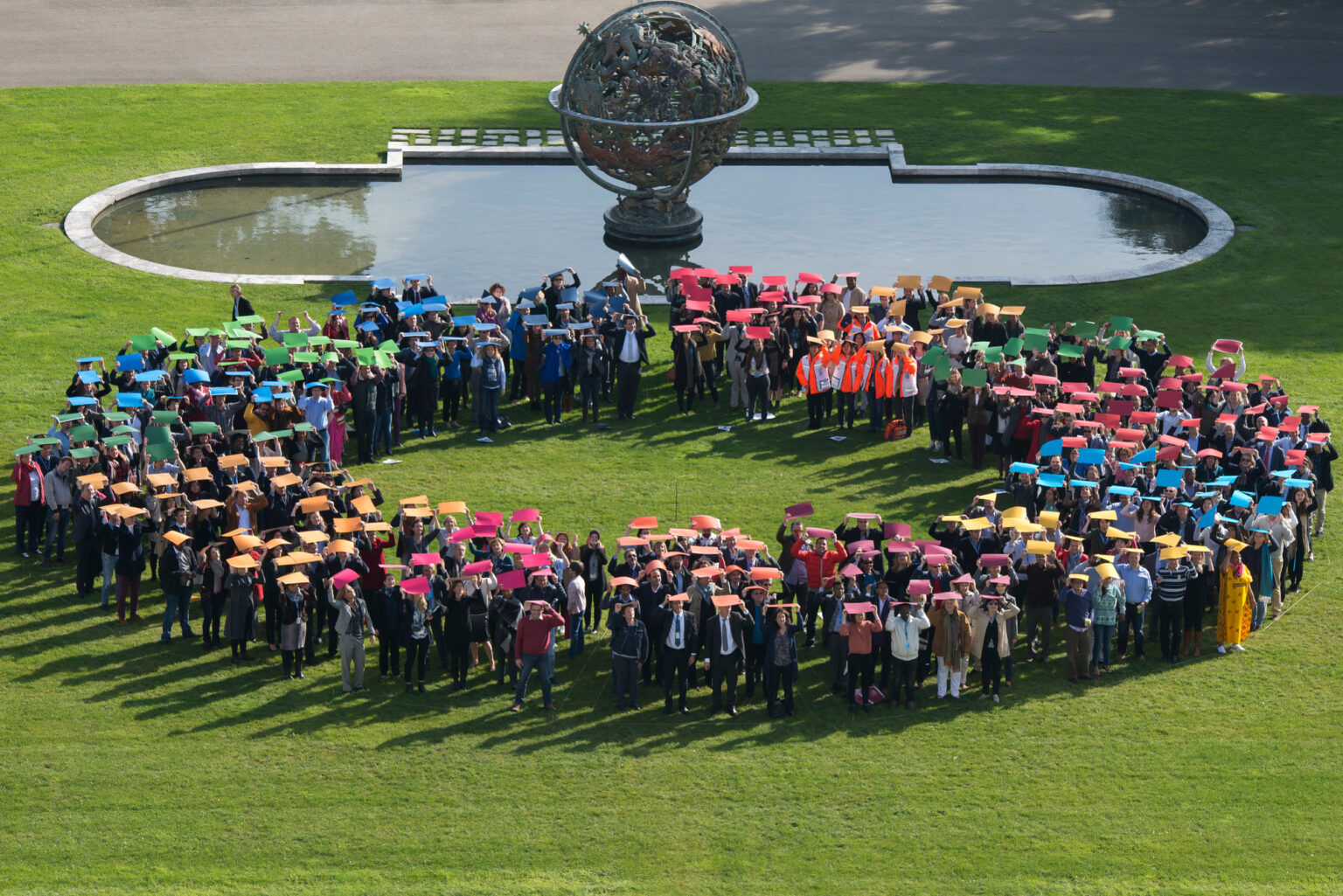
Every year on June 23, the international community celebrates “United Nations Public Service Day,” an official occasion established by the United Nations General Assembly in its resolution 57/277.
This day aims to recognize the efforts of public servants, highlight the pivotal role of government institutions in community development, and encourage administrative innovation and the consolidation of integrity and good governance as fundamental pillars for achieving stability and prosperity.
In 2026, this international occasion acquires exceptional and crucial significance within Syria, as it coincides with the establishment of the transitional phase following the fall of the despotic regime that destroyed the concept of “public service” and transformed institutions into tools of oppression and cronyism.
At this foundational juncture, the Syrian Future Movement issues this statement with a comprehensive national vision outlining the features of administrative and institutional reform in the new Syria:
The Syrian Future Movement believes that revitalizing the public service sector on the foundations of competence and integrity is the backbone of restoring national sovereignty and gaining the trust of the Syrian citizen. The success of the transitional phase is intrinsically linked to the ability of emerging institutions to provide essential services—education, healthcare, electricity, and water—fairly, transparently, and without discrimination.
The Syrian Future Movement sees grave danger in the updated administrative indicators for 2026, which highlight the immense scale of the challenge. Structural reports indicate that more than 60% of qualified technical and professional personnel in the public sector have been lost during the years of conflict due to emigration or security persecution. This necessitates an urgent national strategy to attract Syrian expatriate talent to address this critical institutional deficit.
The Syrian Future Movement believes that combating administrative and financial corruption and purging the public sector of the remnants of nepotism and favoritism entrenched by the former regime is a battle no less important than the liberation struggle. Bribery and abuse of power are the primary drivers of public distrust in institutions, making the adoption of rigorous oversight systems and transparent and immediate accountability laws essential.
The Syrian Future Movement emphasizes that the public service sector in the “Syria of the future” must be freed from politicization and partisan affiliation to become an independent, technocratic, and national sector that serves the Syrian individual as a citizen with rights, based on merit and equal opportunity in appointment and promotion, thus paving the way for building a modern, democratic state.
The Syrian Future Movement sees this day as an opportune moment to express its gratitude and appreciation to all the dedicated employees and workers in local councils, the medical and educational sectors, and civil defense, who continued to provide services to our people amidst the difficult circumstances of war and displacement, laying the foundations for the concept of voluntary and patriotic public service.
Based on the above, the Syrian Future Movement recommends the following:
- Launching the “National Program for Rehabilitating and Reforming the Public Sector”: Calling for a comprehensive survey of all current administrative personnel and designing intensive training courses in cooperation with international organizations to enhance the efficiency of public service employees in the areas of modern management and good governance.
- Rapid Digital Transformation (Service Automation): Urging the immediate implementation of automated government transactions and the launch of e-government platforms in stable areas to reduce direct contact between employees and citizens, thereby effectively combating financial and administrative corruption.
- Adoption of the “Syrian Integrity Charter for Public Service”: Requiring all employees in transitional institutions to sign a strict code of conduct that promotes transparency, financial disclosure by officials, and stricter penalties for any abuse or exploitation of public office.