Today, Tuesday, November 3rd, marks the “International Day for Biosphere Reserves”—a significant global observance officially established by UNESCO (the United Nations Educational, Scientific and Cultural Organization) through Resolution 37 of its 41st General Conference. This day commemorates the launch of the “Man and the Biosphere” (MAB) Programme in 1971.
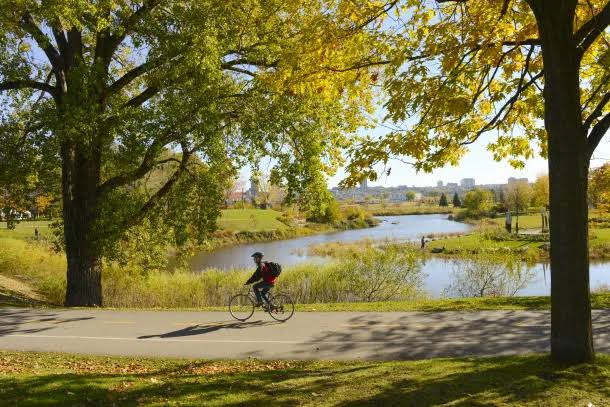
This global occasion arrives at a time when the latest UNESCO statistical reports indicate that the World Network of Biosphere Reserves has expanded to include 797 sites across 145 countries. Spanning over 7 million square kilometers of terrestrial and marine ecosystems, these reserves provide a safe haven and sustainable solutions for more than 260 million people living in direct harmony with nature. Furthermore, they make a vital contribution toward achieving the internationally adopted Kunming-Montreal Global Biodiversity Framework target: the conservation of 30% of the Earth’s land and seas by 2030.
The Syrian Future Movement, within the framework of its comprehensive vision for building a new Syrian state—one grounded in respect for international charters—affirms that the right to a safe, clean, and sustainable environment is a fundamental pillar of human rights, intrinsically linked to national dignity and the security of future generations.
In this context, the Syrian Future Movement views with deep concern and a profound sense of responsibility the scale of the systematic destruction inflicted upon the Syrian ecosystem throughout decades of authoritarian rule and years of war. Syria’s vital natural reserves—most notably the Al-Talila Reserve in Palmyra, the Jabal Abd al-Aziz Reserve in Al-Hasakah, and the reserves within the biodiversity hotspots along the Syrian coast and in the Damascus countryside—have been subjected to grave violations. These include environmental degradation, indiscriminate logging, primitive chemical and oil-based pollution, and the catastrophic impact of unexploded ordnance left behind by the war.
In light of the above, the Syrian Future Movement asserts and calls for the following:
First: It is imperative that the executive and legislative authorities, during the transitional phase, prioritize the rehabilitation of damaged natural reserves and the establishment of new biosphere reserves, integrating these efforts into the nation’s broader development and economic plans.
Second: UNESCO and the United Nations Environment Programme (UNEP) are urged to dispatch specialized international missions to assess the environmental situation in Syria. Furthermore, they should provide the necessary technical and financial support to incorporate Syrian reserves into the World Network of Biosphere Reserves, thereby ensuring the preservation of biodiversity and fostering sustainable development opportunities for the local communities living in their vicinity.
Third: The Syrian Future Movement declares its full commitment to legislative principles that criminalize environmental violations. It also calls upon national forces and civil society organizations to launch comprehensive, nationwide awareness campaigns aimed at fostering a culture of “environmental citizenship” and a collective sense of responsibility toward the land.
Protecting nature in the new Syria is the first step toward protecting humanity; transitional and social justice will not be complete unless they encompass the restoration of the Syrian land—reclaiming its health and natural balance.