

October 12th marks World Arthritis Day, an international health observance launched under the auspices of Arthritis and Rheumatism International (ARI)—with the support and coordination of the World Health Organization—to raise awareness about rheumatic and musculoskeletal diseases (RMDs) affecting hundreds of millions worldwide, and to emphasize the importance of early diagnosis and equitable access to healthcare in preventing mobility-related disability.
This year, the occasion arrives at a time when Syrian patients—particularly the elderly and the displaced—are enduring compounded suffering that threatens both their physical well-being and their livelihood stability.
Recent medical surveys and reports from within Syria (2026) reveal a dire situation: patients suffering from arthritis and rheumatism are completely unable to secure modern tissue-targeted and biologic therapies due to medication price hikes exceeding 300%, alongside the fact that most government-run physical therapy and rehabilitation centers are no longer operational.
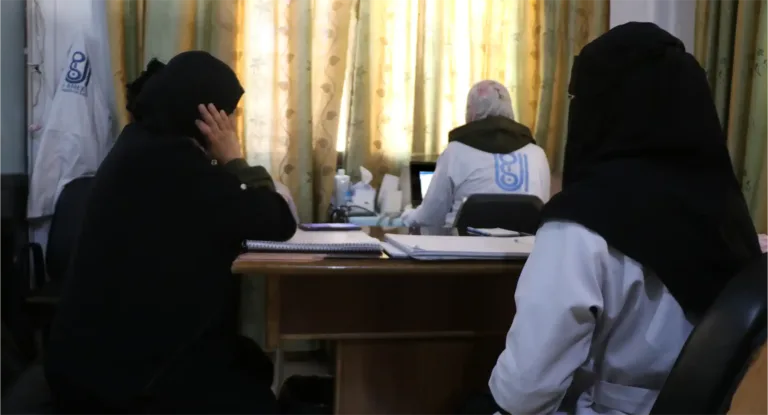
Furthermore, reports from medical organizations operating in camps across northern Syria indicate a sharp rise in complications related to bone and joint diseases among camp residents, driven by high humidity, a lack of safe heating methods, malnutrition, and the absence of specialized periodic check-ups. The Syrian Future Movement affirms that safeguarding citizens’ health security and providing care for those with chronic illnesses is a fundamental civil right guaranteed by the values of citizenship and comprehensive social justice. A modern, healthy Syrian society cannot be built if its most vulnerable groups—such as the elderly and those with physical disabilities—are left prey to disease and service-related neglect.
The Syrian Future Movement holds that the monopoly and corruption plaguing Syria’s pharmaceutical manufacturing and import sectors—compounded by the systematic destruction of specialized hospitals and public medical centers by the defunct authoritarian regime—are primarily responsible for depriving Syrian patients of essential, life-saving treatments and turning illness into a sentence of permanent disability.
The Syrian Future Movement believes that humanitarian and national obligations compel civil society organizations, as well as medical and community associations, to take urgent action. It calls for the establishment of local medical solidarity platforms to secure chronic disease medications for patients unable to afford them, and for the deployment of mobile clinics to provide physical examination and rehabilitation services within remaining refugee camps and remote towns.
The Syrian Future Movement emphasizes the necessity of supporting and nurturing young graduates and Syrian talent in the fields of medicine, physical therapy, and pharmaceuticals. It calls for creating a stable economic and political environment that halts the ongoing brain drain and invests in their potential to rebuild the national medical system on modern foundations. Guided by its vision for civic and developmental progress,
the Syrian Future Movement proposes a comprehensive roadmap:
- Drafting a “Universal Healthcare Charter”: A future constitutional commitment to guarantee free, high-quality treatment for chronic and rheumatic diseases, prioritizing this within “early recovery” plans.
- Breaking the pharmaceutical monopoly and localizing vital industries: Encouraging national and private investment to establish advanced pharmaceutical facilities capable of locally producing therapeutic alternatives and biological drugs at competitive prices suited to citizens’ incomes.
- Establishing the “National Center for Physical Rehabilitation and Prosthetics”: A specialized development project dedicated to providing physical and psychological therapy for patients with joint disorders and war-related injuries, in partnership with international organizations and civil society institutions.
- International medical supply partnerships: Coordinating directly with the World Health Organization and international donor agencies to ensure a steady flow of essential, subsidized medicines into Syria, while exempting them from all restrictions and taxes to guarantee direct delivery to those in need.
The Syrian Future Movement extends its deepest appreciation and pride to the medical personnel, nurses, and humanitarian teams steadfastly working across all Syrian regions—individuals who alleviate the suffering of Syrians and instill hope, despite scarce resources and challenging realities.