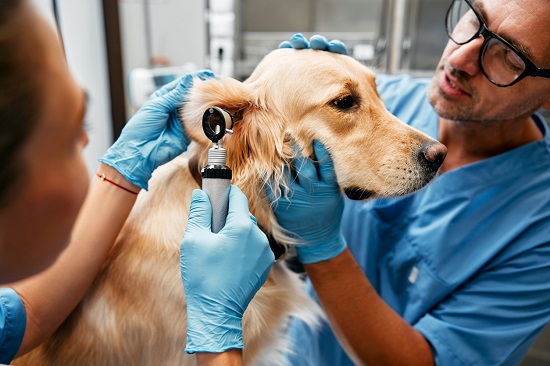
The Syrian Future Movement joins the international community in celebrating World Veterinary Day, which falls on the last Saturday of April (April 25, 2026).
This day, launched by the World Veterinary Association (WVA) in 2000, recognizes the pivotal role of veterinarians in protecting public health, ensuring food safety, and maintaining ecological balance.
The Syrian Future Movement notes that while the world today focuses on the “One Health” concept, which links human and animal health, the livestock sector in Syria is facing a critical juncture.
Once considered a “protein powerhouse” for the region, Syria now faces a frightening decline in livestock numbers, according to recent reports and statistics (based on estimates from international organizations such as the FAO and local authorities).
- Syria has lost approximately 40% to 50% of its sheep and cattle population compared to pre-2011 levels.
- A sharp decline in the poultry sector has forced more than 70% of breeders out of business due to rising feed costs and inadequate veterinary care.
We in the Syrian Future Movement believe that the veterinary profession in Syria is a vital safeguard for national and food security. Therefore, we emphasize the following in this statement:
- Support for Veterinary Staff: We salute Syrian veterinarians who work under challenging conditions and call for empowering them and providing them with logistical support and essential vaccines to curb the spread of transboundary diseases.
- Investing in the Future: We call for the adoption of forward-looking economic policies that support small and medium-sized veterinary enterprises and revitalize national veterinary pharmaceutical factories to reduce dependence on imports.
- Connecting with the International Community: We emphasize the need to reactivate close cooperation with the World Organisation for Animal Health (WOAH) to ensure the quality of Syrian animal products, paving the way for regaining access to global export markets in the future.
The Syrian Future Movement believes that restoring the health of the Syrian economy begins with protecting its natural and human resources, and that veterinarians are the primary guardians of the Syrian people’s food supply and health.