
The Syrian Future Movement is following with great interest the important statements made by the Syrian Minister of Finance, Muhammad Yasser Barnieh, to the Syrian News Channel on Saturday, June 21, 2026, in which he revealed details of the new salary and wage system in Syria.
While we appreciate these developments, we see them as the culmination of a series of successive measures since 2025, and a pivotal step towards restructuring public sector wages, in line with our firm vision of the necessity to improve the conditions of national cadres and attract qualified personnel.
First: The Syrian Future Movement appreciates the announced figures, which reflect a qualitative leap in the volume of spending on wages, and commends their funding from the state’s own resources without resorting to borrowing.
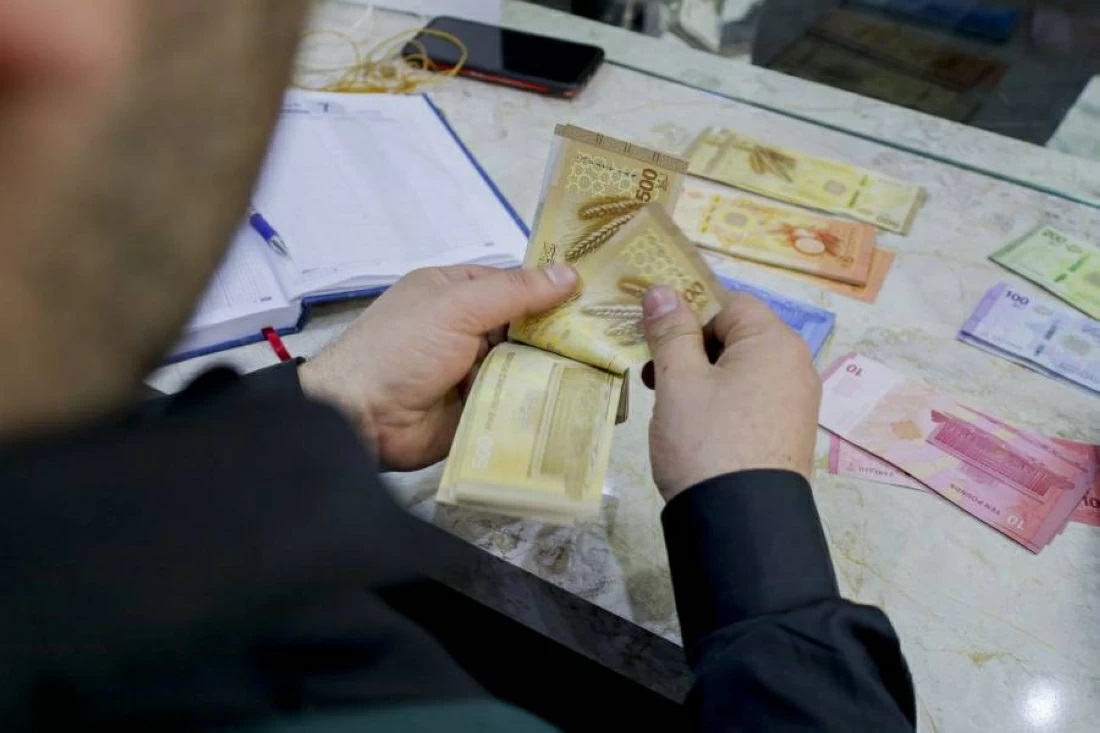
The Syrian Future Movement also notes that the total monthly wages and salaries have increased from 11.3 billion Syrian pounds to 46 billion Syrian pounds, while the cost of pensions has increased from 2.9 billion Syrian pounds to more than 13.5 billion Syrian pounds per month.
These figures demonstrate the government’s commitment to expanding the scope of salary increases to include various segments of society, recognizing that improving wages is an investment in social stability and economic development.
We particularly commend the Minister of Finance’s confirmation that these increases were fully funded from the state’s own resources, without resorting to deficit financing or borrowing. This reflects the government’s responsible financial management of public funds and strengthens citizens’ confidence in the state’s ability to meet its obligations.
Secondly, the Syrian Future Movement notes that these changes did not occur in a vacuum, but are the culmination of a process that began with Decree No. 102 of 2025, which approved a 200% wage increase, followed by Decree No. 67 of 2026, which added a further 50% increase. This was reflected in the minimum wage, which rose from approximately 279,000 old Syrian pounds (2,790 new Syrian pounds) to 1,256,000 old Syrian pounds (12,560 new Syrian pounds).
On March 18, 2026, Decree No. 68 was issued, implementing a “qualitative salary increase” for employees in several public entities, including the Ministries of Health, Higher Education, Education, and Religious Endowments, as well as the Central Bank of Syria, oversight and inspection bodies, and the Atomic Energy Commission.
In this context, we recall our previous statement issued on May 24, 2026, entitled “Qualitative Salary Increases in the Health and Education Sectors,” in which we commended this step, considering it a genuine investment in human capital and an appreciation of the sacrifices made by healthcare and education personnel.
Third: The Syrian Future Movement draws attention to the fact that the government aims, by the beginning of next year, to establish a comprehensive salary system encompassing employees in the administrative, economic, military, and security sectors, in addition to retirees.
We see this approach as a practical response to one of the most prominent challenges that Syria has faced for decades: the emigration of academic and professional talent.
The Minister of Higher Education and Scientific Research, Marwan al-Halabi, affirmed that the significant salary increases represent a crucial step towards attracting academic talent, noting that salaries at public universities are now higher than those at private universities.
He also indicated that the executive instructions regarding these increases have raised examination allowances fivefold, and that salaries within the Ministry of Higher Education have been standardized across all governorates.
The Syrian Future Movement commends these efforts, which aim to stem the brain drain of academic talent. It points out that this issue has been a central focus of its previous statements, including the statement on “The Education Crisis in Syrian Regions” dated February 5, 2016, which called for improved and standardized salaries across different regions.
Fourth: The Syrian Future Movement reiterates that the success of the new system requires more than just figures and statements; it necessitates translating them into tangible reality on the ground. Based on its national responsibility, the Syrian Future Movement recommends the following:
- Ensuring the continued funding of salary increases from internal resources, while diversifying government revenue sources, enhancing collection efficiency, and reducing tax evasion, to guarantee the sustainability of the new system and prevent its vulnerability in the event of any economic emergency.
- Linking wages to productivity and performance by developing a merit-based incentive and reward system, not solely based on seniority or job title, to boost motivation and encourage excellence and innovation in government work.
- Expanding financial inclusion by promoting the use of banking and digital services for salary disbursements, in line with the approach adopted by the Movement in its statement on the implementation of the Civil Affairs Law dated June 20, 2026, to reduce reliance on cash, enhance transparency, combat corruption, and facilitate employees’ access to their entitlements.
- The Syrian Future Movement urges the swift enactment of legislation governing the new salary system, establishing a permanent and independent legal framework, rather than relying on temporary decrees. This will guarantee wage stability, protect salaries from political and administrative fluctuations, and bolster citizens’ confidence in their future income.
In conclusion, the Syrian Future Movement reiterates its welcome of this important step, which demonstrates the Syrian government’s commitment to improving the conditions of workers and retirees and restructuring salaries to meet the demands of the current phase.
We believe the Syrian government is now called upon to build on this momentum, continue developing wage policies, and link them to comprehensive development plans. This will ensure that the new Syria is capable of attracting and retaining its talent and building a strong and sustainable national economy worthy of the sacrifices and aspirations of the Syrian people.
The Syrian Future Movement will remain a supporter, critic, and monitor of this issue, striving to build the new Syria on the foundations of social justice, human dignity, and sustainable development.