
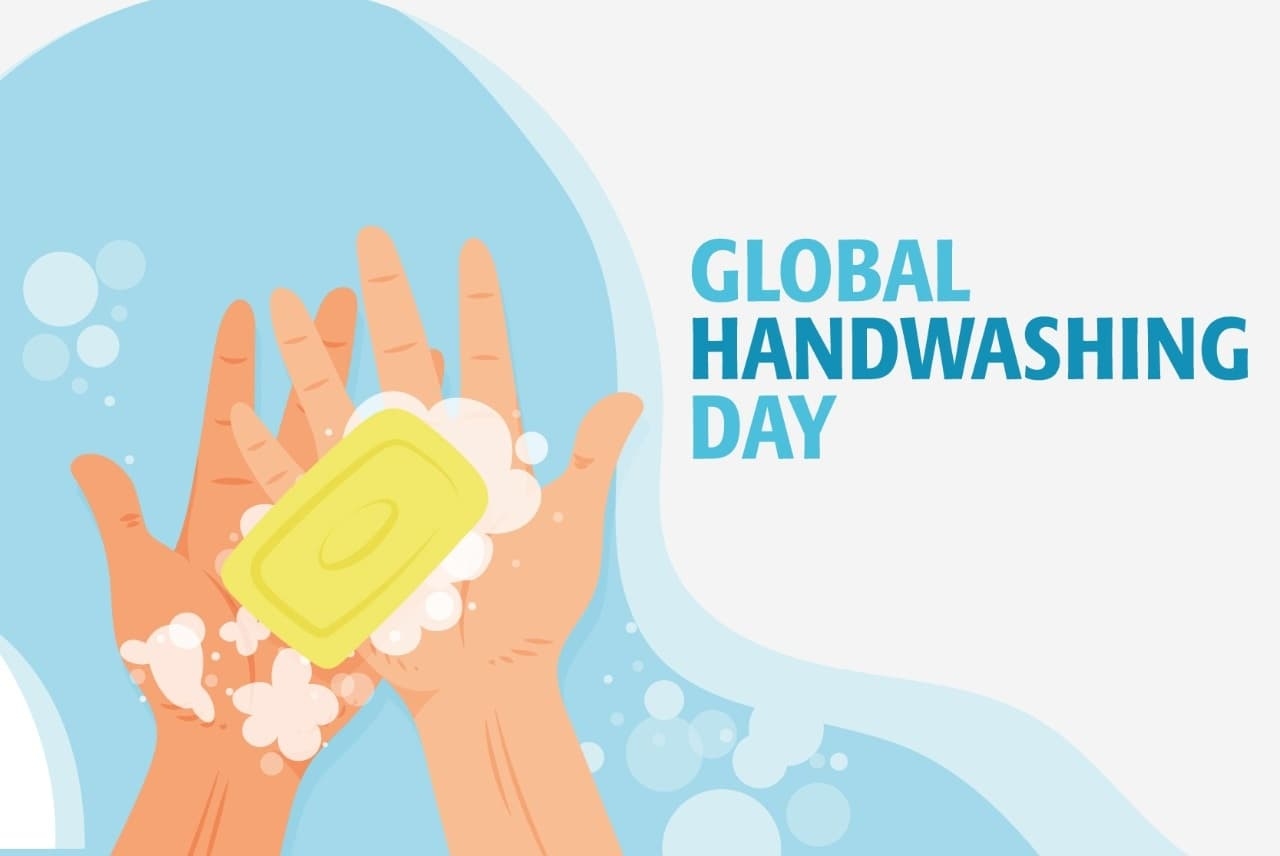
By May 5, 2026, the Syrian Future Movement will join the world in commemorating “Global Hand Hygiene Day,” an occasion launched by the World Health Organization under the theme of promoting safety and prevention. We see this day as more than just an individual health practice; it reflects the level of collective awareness and the effectiveness of the national health system in protecting Syrian citizens.
We acknowledge the updated international health studies for 2026, which confirm that hand hygiene remains the most effective and cost-efficient way to reduce the spread of epidemics and healthcare-associated infections.
Based on technical reports, we are guided by the following:
- Infection Prevention: Adherence to hand hygiene protocols reduces the transmission of antibiotic-resistant microbes by up to 50%.
- The Syrian Context: In light of Syria’s recovery phase, there is a critical need to promote this culture in schools, hospitals, and shelters to ensure an environment free from communicable diseases that could hinder the development process.
The Syrian Future Movement calls on this day for:
- Supporting infrastructure: Urging relevant authorities and the international community to ensure access to clean water and sanitation supplies for all Syrian regions without exception.
- National awareness campaigns: Launching educational programs targeting younger generations in Syrian schools to instill a “culture of prevention” as a way of life.
- Investing in medical personnel: Providing the necessary support to workers in the Syrian health sector and training them on the latest international standards for infection control.
The Syrian Future Movement believes that World Hand Hygiene Day this year (May 5, 2026) comes at a time when some Syrian regions are facing increasing health challenges, most notably the alarming spread of hepatitis A.
Field data and medical reports indicate that the lack of safe drinking water and inadequate sanitation and personal hygiene protocols are the primary causes of hepatitis A transmission. Accordingly, the Movement clarifies the following facts:
- Breaking the chain of infection: Hand hygiene is the first and most effective weapon to break the chain of transmission of enteroviruses, especially hepatitis, thus reducing the burden on the already strained healthcare system.
- Collective Responsibility: The spread of epidemics under the current circumstances requires a response that goes beyond traditional medical work to encompass a “culture of prevention at home and in schools.”
The Syrian Future Movement, from its humanitarian and national perspective, believes that the lack of access to a healthy environment is a violation of fundamental citizenship rights. Our integration into the global system necessitates importing and rigorously implementing preventative solutions to protect our children in schools, camps, and residential complexes.
The Syrian Future Movement calls upon all actors and international organizations to:
- Emergency Response: Intensify awareness and sterilization campaigns in areas where hepatitis is prevalent, and provide vaccines and essential supplies.
- Uphold the “Right to Water”: Advocate for access to clean and sterilized water for all Syrians, as it is the only effective way to eliminate the causes of disease.
- Empower Local Staff: Support volunteers and mobile health teams with the necessary tools to disseminate field awareness about proper hand hygiene techniques according to World Health Organization standards.
In conclusion, the Syrian Future Movement emphasizes that the hands that join together today to wash away the filth of disease are the same hands that will join together tomorrow to build a Syria free of epidemics, strong in the awareness of its people, and keeping pace with every civilized and human progress.