
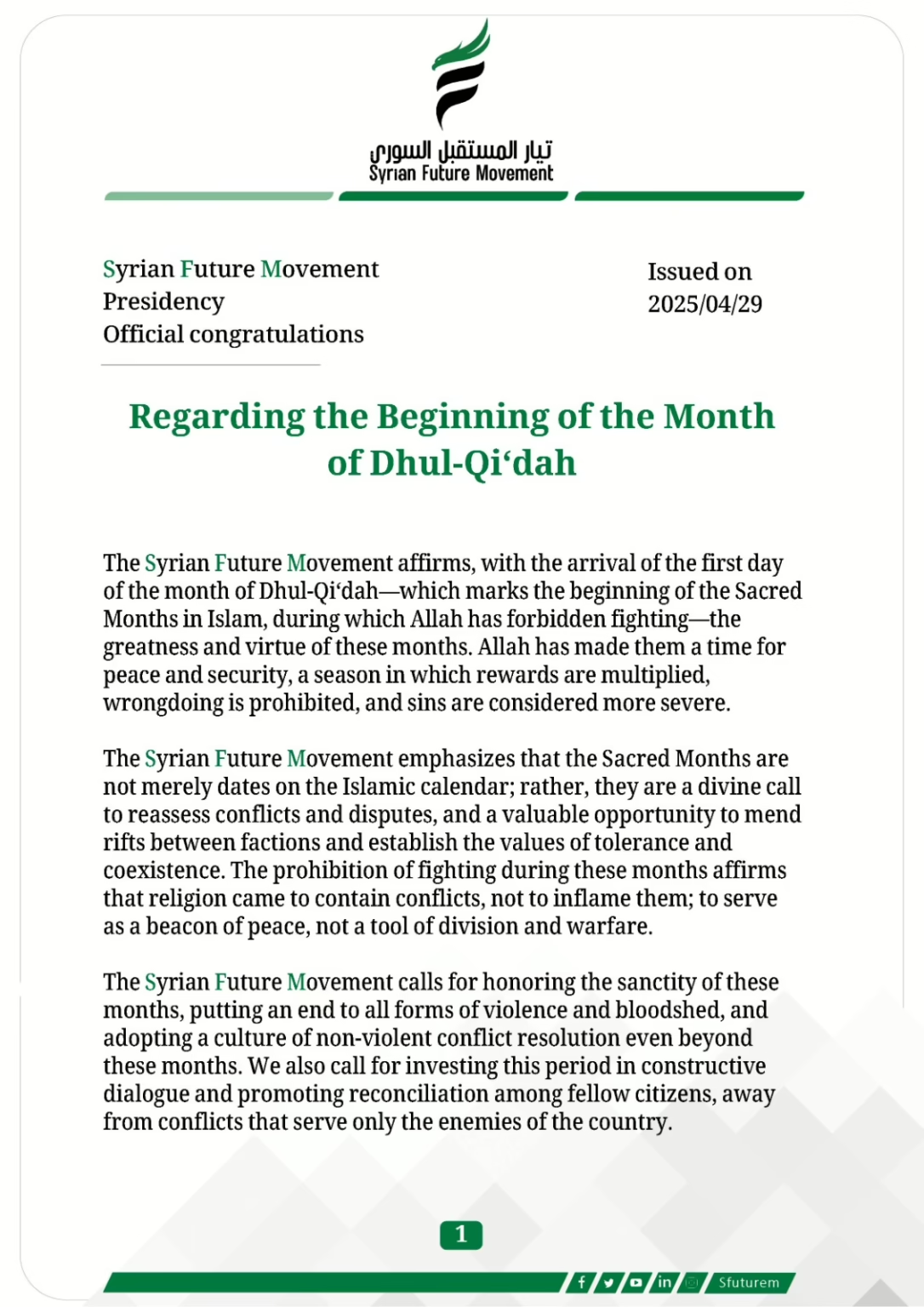
The Syrian Future Movement affirms, with the arrival of the first day of the month of Dhul-Qi‘dah—which marks the beginning of the Sacred Months in Islam, during which Allah has forbidden fighting—the greatness and virtue of these months. Allah has made them a time for peace and security, a season in which rewards are multiplied, wrongdoing is prohibited, and sins are considered more severe.
The Syrian Future Movement emphasizes that the Sacred Months are not merely dates on the Islamic calendar; rather, they are a divine call to reassess conflicts and disputes, and a valuable opportunity to mend rifts between factions and establish the values of tolerance and coexistence. The prohibition of fighting during these months affirms that religion came to contain conflicts, not to inflame them; to serve as a beacon of peace, not a tool of division and warfare.
The Syrian Future Movement calls for honoring the sanctity of these months, putting an end to all forms of violence and bloodshed, and adopting a culture of non-violent conflict resolution even beyond these months. We also call for investing this period in constructive dialogue and promoting reconciliation among fellow citizens, away from conflicts that serve only the enemies of the country.
The Syrian Future Movement stresses that the culture of peace is not merely a political option, but a religious and moral duty—and the only path to safeguarding nations and preserving human dignity.
The Syrian Future Movement reminds all that the Sacred Months are a time for self-reflection, repentance from injustice, and striving for social justice. Just as sins are graver in these months, so too are good deeds multiplied. Among the greatest acts of worship is working to extinguish the flames of sedition, reconcile divisions, and spread a culture of dialogue and tolerance among the people of the same nation.
The Syrian Future Movement urges all Syrians to make these blessed months a turning point for positive change, an opportunity to rebuild bridges of trust among fellow citizens, and to realize that religion came as a mercy to the worlds—not as a cause of division and fighting.