
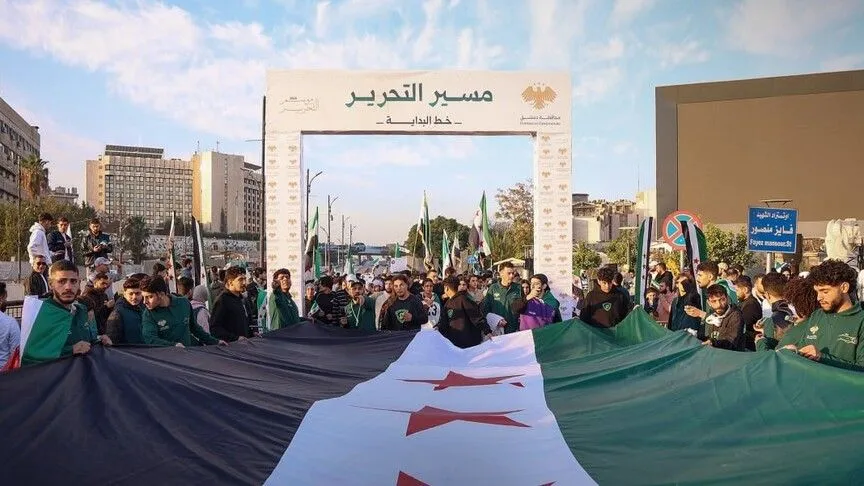
Today, November 28, 2026, the Syrian people commemorate the second anniversary of the launch of the “Deterring Aggression” battle—the beginning of the epic of liberation (November 27–28, 2024). This pivotal historical moment, which originated in the western countryside of Aleppo, shattered the lines of tyranny and aggression. In just eleven days, it paved the way for the collapse of the defunct Assad regime on December 8, 2024, bringing an end to more than five decades of totalitarian rule, oppression, and displacement.
This anniversary arrives amidst a broad, inclusive national and popular movement under the banner, “We Have Won It Back… And Together We Shall Build It.” Through this, Syrians renew their pledge to honor the sacrifices of the martyrs, the detainees, and the displaced, and to translate their military victory into the foundation of a free, just, and civil state.
First: Two Years Since Liberation—Figures on Return and Recovery, and the Realities and Challenges in 2026
Two years after the spark of liberation, the latest international reports—issued by the United Nations, the UN Refugee Agency (UNHCR), and the World Bank Group in late 2026—reveal significant transformations alongside structural challenges that demand serious reflection and responsible review:
Voluntary Return and Displaced Persons: Statistics from the UNHCR and the UN, as of the final quarter of 2026, indicate that more than 3.8 million Syrian citizens have returned home since the fall of the former regime (including approximately 1.8 million refugees returning from neighboring countries and over two million internally displaced persons). Nevertheless, more than 5.5 million Syrians remain internally displaced—with over 770,000 living in camps—while approximately 4.5 million refugees in neighboring countries continue to await the stability and essential services necessary for a sustainable return.
Economic Indicators and Reconstruction: Reports from the World Bank and updates from the Partnership Forum for Syria in Damascus (November 2026) point to the beginning of a gradual economic recovery. Notable improvements include greater exchange rate stability and a decline in inflation rates compared to 2024. Economic growth for 2026 is projected at approximately 12.8%, and a multi-donor trust fund has been established in collaboration with the World Bank. However, these macro-level indicators continue to be hindered by a severe funding gap—with the 2026 Humanitarian Response Plan receiving less than 32% of the required funding—as well as by daily living pressures that weigh heavily on Syrian citizens.
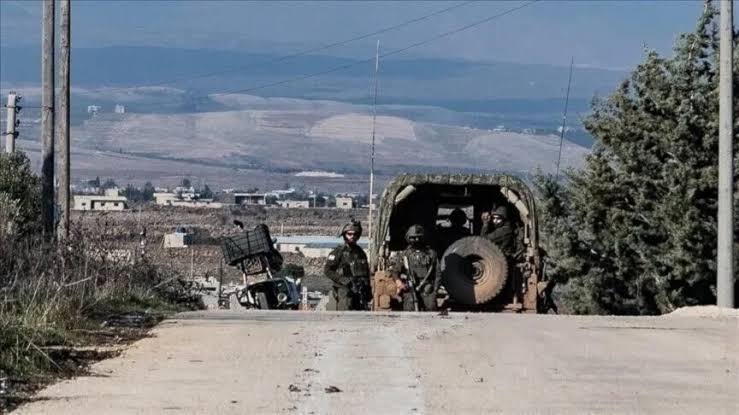
Security and national challenges: Syria continues to face the task of fully extending state sovereignty and the authority of its institutions across the entire national territory, countering ongoing Israeli aggression in the south, and containing local tensions or inflammatory rhetoric that threaten civil peace.
Second: The Intellectual Framework and National Vision of the Syrian Future Movement
The Syrian Future Movement views the commemoration of “deterring aggression” as extending beyond a mere recollection of the military dimension; rather, it serves as a foundation for the phase of “state-building following the downfall of tyranny,” anchored by three national pillars:
Transitioning from the legitimacy of liberation to the legitimacy of institutions and the constitution: The battlefield victory that ended the era of tyranny is a starting point, not the finish line. The legitimacy of a modern state is derived from the free will of the people, the rule of law, the separation of powers, and the establishment of a professional national army and security apparatuses that are subject to the judiciary and the constitution.
Preserving an inclusive national narrative and equal citizenship: We affirm that liberation is a victory for all Syrians—those who paid the price for freedom through bloodshed, displacement, and imprisonment over the course of fourteen years. Safeguarding this achievement requires cementing a new social contract that guarantees full equality among all Syrian men and women, while rejecting any form of exclusion or discrimination based on sect, ethnicity, or region.
Transitional justice as a prerequisite for sustainable civil peace: A stable future cannot be built without securing justice for victims, uncovering the fate of tens of thousands of individuals forcibly disappeared in the prisons of the defunct regime, and holding those implicated in war crimes and crimes against humanity accountable before an independent and fair national judiciary.
Third: Recommendations for Advancing the Reconstruction Process During the Transitional Phase
Guided by our national responsibility and mindful of the aspirations of the Syrian people as they enter their second year following liberation, the Syrian Future Movement puts forward the following practical recommendations:
- Accelerating the Constitutional Process and Ensuring Inclusive Popular Representation: Moving forward with the drafting of a modern constitution that enshrines the rule of law, citizenship, and the peaceful transition of power, while broadening the scope for political and civic participation—encompassing all national forces and Syrian professionals—in the management of public affairs.
- Safeguarding Territorial Integrity, National Sovereignty, and Countering External Aggression: Completing the unification of administrative and military institutions across all Syrian territory in a spirit of national partnership, and activating international diplomatic and legal efforts to halt Israeli violations and acts of aggression against Syrian sovereignty.
- Prioritizing the Improvement of Living Standards and the Provision of Essential Services: Translating signs of economic recovery and international engagement into tangible improvements in the daily lives of citizens—by supporting wages, rehabilitating electricity, water, education, and healthcare infrastructure, and combating administrative corruption.
- Launching a Comprehensive National Plan to Resolve the Issue of Refugee Camps and Facilitate the Return of Refugees: Directing international funding and reconstruction resources toward clearing the remnants of war and landmines, and restoring homes and infrastructure in destroyed towns and villages, to ensure a dignified and safe return for millions of displaced persons and refugees.
- Activating the transitional justice mechanism and addressing the issue of the missing and those subjected to enforced disappearance: supporting specialized judicial and human rights institutions to accelerate the process of uncovering the fate of the missing, preserving evidence, and providing reparations to victims, as well as to the families of martyrs and detainees.
- Harnessing the potential of Syrian youth and skilled professionals, both within the country and in the diaspora: creating opportunities for Syrian experts—including those with scientific and economic qualifications living abroad—to contribute to reconstruction projects, while empowering youth and women to take on roles in decision-making.
May there be mercy and eternal remembrance for the martyrs of the Syrian Revolution and the battle for liberation; may those subjected to enforced disappearance be set free and their fates revealed; may the wounded find healing; and may a unified, free, and sovereign Syria attain dignity and greatness. Glory to all Syrians.