
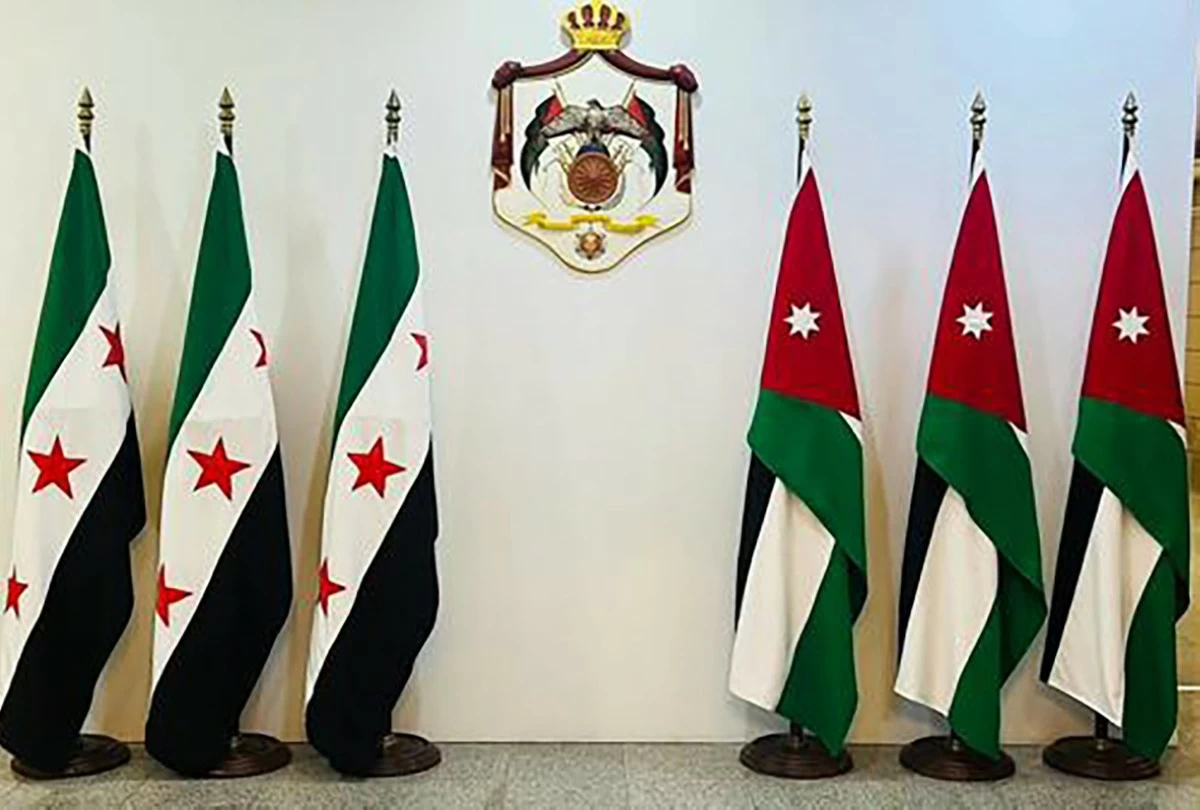
The Syrian Future Movement is closely monitoring recent developments in Syrian-Jordanian trade relations, particularly Amman’s decision to lift import restrictions on a wide range of Syrian goods. The Movement considers this move a practical acknowledgment of the necessity for regional economic integration and the revitalization of inter-regional supply chains.
The Syrian Future Movement points out that the volume of trade between the two countries, which has suffered sharp declines in recent years, now requires intelligent “facilitative” policies. Economic reports for 2025 indicate that Syrian agricultural and food products still possess a competitive advantage in terms of quality and price in the Jordanian market and the surrounding region.
The Syrian Future Movement believes that Jordan’s imposition of “protective tariffs” on certain goods is a legitimate sovereign and regulatory measure within the framework of Arab trade agreements. However, it also calls for the establishment of “preferential lists” that ensure Syrian exporters are not overburdened while simultaneously protecting consumers in both countries from price hikes.
The Syrian Future Movement affirms that the transitional phase in Syria necessitates restoring the leading role of Syrian products in Arab markets. It believes that removing border obstacles at the Nassib-Jaber crossing is the essential first step towards the recovery of the export sector, which in turn constitutes a fundamental pillar for stabilizing the Syrian pound’s exchange rate and providing foreign currency.
Based on its economic vision for improving the state of foreign trade, the Syrian Future Movement offers the following recommendations:
- Unifying Quality Standards: The Syrian Chambers of Commerce and Industry are urged to align packaging and laboratory testing standards with Jordanian and international requirements to reduce waiting times at the border and ensure the smooth flow of goods.
- Flexible Reciprocity: We recommend that the Syrian authorities adopt a highly flexible policy of reciprocity that serves economic openness, focusing on importing raw materials and industrial inputs that are currently lacking in the local market.
- Activating the Joint Committee: The Syrian Future Movement emphasizes the necessity of activating the role of the Syrian-Jordanian Joint Higher Committee for resolving trade disputes and addressing the issue of “protectionist tariffs” through seasonal quota agreements that do not harm producers on either side.
- Digitalizing border procedures: We call for investment in the digital transformation of border crossings to reduce human intervention and bureaucracy, thereby facilitating smoother truck traffic and lowering transportation and logistics costs.
The Syrian Future Movement reaffirms its belief that the Arab world is vital to the Syrian economy, and that building balanced and sustainable trade relations with neighboring countries is the cornerstone of the national revival project we envision for the future of Syria.