
Introduction:
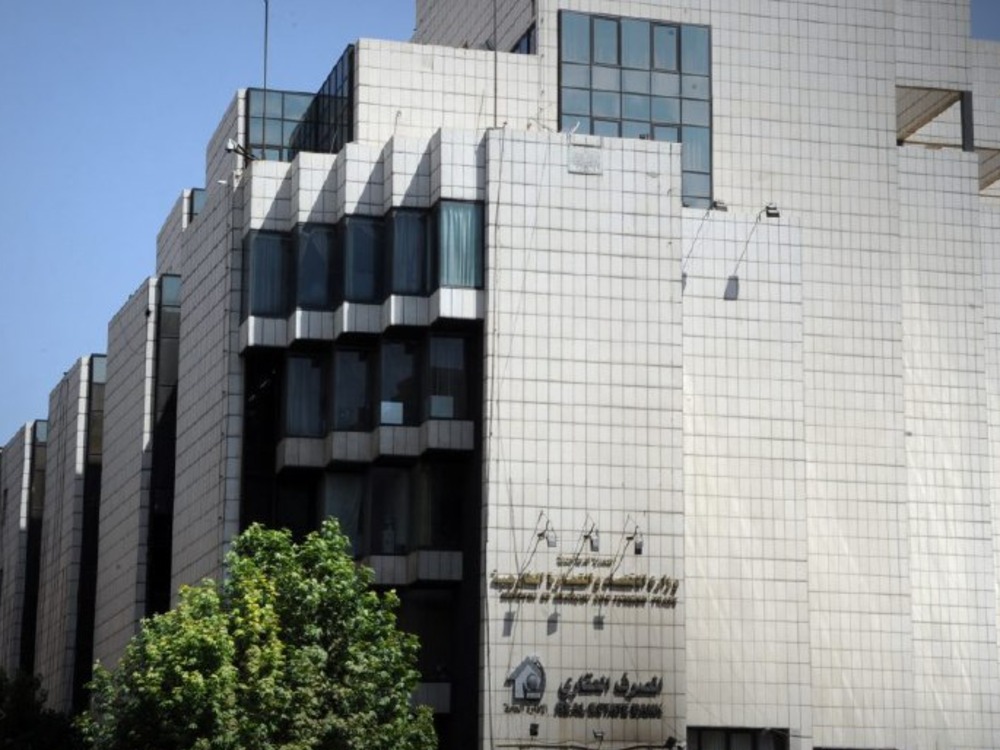
The Ministry of Economy and Industry issued a new circular on March 25, 2026, as part of efforts to restructure the Syrian economy during the transitional phase. The circular aims to standardize procedures across company departments and commercial registry offices in all governorates.
This circular comes within a broader context of a significant increase in the registration of foreign companies and their branches during 2026. Fifty-eight branches of foreign companies have been registered since the beginning of the year, compared to 67 branches throughout 2025, in addition to 35 companies with foreign shareholders.
This circular is an attempt to regulate commercial activity and simplify administrative procedures. However, it also raises questions about the balance between regulatory control and the flexibility required to revitalize the private sector in a post-conflict economy.
Main Content of the Circular:
The circular focuses on several key points:
- Standardization of Procedures: Adoption of the Syrian Standard Industrial Classification (SYRSIC) to define commercial activities (primary, secondary, or supportive).
- Maximum number of activities: Allowing the inclusion of up to five disparate activities in a single commercial registration (compared to three previously in some cases).
- Regulation of import and export: Mandating the explicit inclusion of the phrase “import and export” along with the specification of the relevant materials or sectors (up to a maximum of five sectors).
- Restrictions on certain phrases: Prohibiting the inclusion of general phrases such as “participating in tenders and auctions” unless directly related to the company’s primary purpose.
- Activation of the exporters’ registry: Granting a three-month grace period (from April 1 to June 30, 2026) for renewing exporters’ registrations with the Local Production and Exports Support and Development Authority, along with the establishment of an accurate exporters’ database.
- Restrictions on foreign investors: Imposing specific restrictions on granting commercial registrations to non-Syrians, with limited exceptions in certain sectors.
Positive aspects:
This circular represents a significant step in addressing the administrative chaos that prevailed during previous decades. Unifying procedures across governorates reduces administrative discrepancies and enhances transparency through a centralized exporters’ database. Adopting a unified industrial classification system also helps to paint a more accurate picture of the Syrian economic structure, which is essential for developing well-considered industrial and trade policies.
In theory, such regulation contributes to combating certain forms of the informal economy and paves the way for improving the business environment, especially given the recorded increase in the registration of foreign companies, reflecting a relative improvement in investor confidence following the lifting of some sanctions.
Critical Aspects:
Despite its advantages, the circular is more regulatory than incentive-oriented. The limitation on activities (only five) raises concerns about reducing the flexibility needed by the private sector, particularly small and medium-sized enterprises (SMEs) and new projects during this uncertain transitional phase.
Furthermore, restrictions on foreign investors may slow the flow of foreign direct investment, despite limited exceptions.
The requirement to precisely define import sectors carries additional bureaucratic risks that could hinder a rapid response to market changes.
The overemphasis on “regulation” rather than providing accompanying customs or financial incentives may limit the circular’s ability to stimulate domestic production and exports. These restrictions partially align with the vision of the Syrian Future Movement, which calls for streamlining procedures and reducing bureaucracy. However, we caution that excessive regulation could hinder growth in the current difficult economic climate, characterized by high unemployment and poverty rates.
Conclusion:
The circular is a necessary regulatory step, but it needs to be developed to become an effective tool in building a competitive and sustainable Syrian economy. Genuine economic reform goes beyond standardizing procedures; it requires creating a flexible business environment based on transparency, the rule of law, and the protection of private property.
Therefore, we at the Economic Office of the Syrian Future Movement propose the following:
- Flexible Review: Reconsidering the ceiling on the five activities, particularly in industrial cities and priority development zones, while expanding exceptions for serious investment projects and startups.
- Digital Transformation: Linking the new database to a unified electronic system that allows for rapid and transparent access, with periodic reports published on the implementation results and its impact on the ground.
- A Complementary Incentive Package: Developing customs, financial, and facilitation incentive measures to encourage local production and exports, achieving a balance between regulation and incentives.
- Institutional Partnership: Engaging chambers of industry and commerce and economic civil society in assessing the circular’s on-the-ground impact, with a particular focus on the role of youth and women in small and medium-sized enterprises (SMEs).
- Linking to the National Vision: Integrating the circular into a comprehensive economic strategy focused on sustainable development and equal economic citizenship.
- Consulting with civil society, the private sector, and national stakeholders to broaden perspectives and adapt the measures taken to the realities of contemporary Syria.
Finally, the Syria of the future needs an economy that combines effective regulation with sufficient flexibility to become an engine for growth and stability. We at Al-Amoun believe this circular presents an opportunity that must be wisely utilized to bolster confidence in the new economic institutions.