
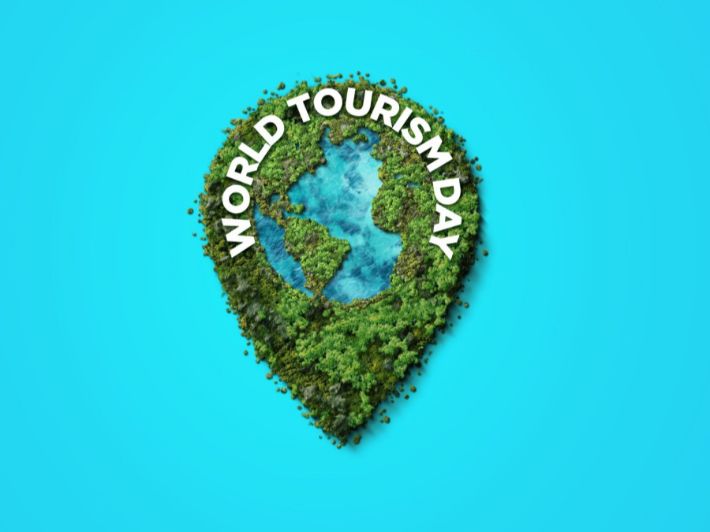
Every year, on September 27, the world celebrates World Tourism Day. This day was established by the World Tourism Organization in 1980, emphasizing the importance of tourism in promoting understanding between peoples, achieving sustainable development, and protecting human heritage.
On this occasion, the Syrian Future Movement renews its commitment to its national vision for tourism, as stated in its paper issued on May 5, 2024, entitled “The Syrian Future Movement and Tourism.” The paper emphasized that tourism is not merely an economic activity, but rather a civilizational tool, a means for rebuilding people and places, and promoting cultural convergence among peoples.
The Syrian Future Movement emphasizes that tourism in Syria must be built on the following foundations:
Economic development through support for hotels, restaurants, transportation, and tourism services, which contributes to raising national income and alleviating poverty.
- Creating job opportunities in various productive sectors, which contributes to empowering youth and women.
- Promoting cultural exchange by introducing visitors to the culture and values of the Syrian people.
- Protecting historical and environmental heritage as part of national identity.
- Encouraging domestic tourism as a means of addressing the effects of war and the fragmentation of the social structure, and restoring national unity.
- Supporting religious, medical, environmental, and adventure tourism, as they have an impact on diversifying sources of income and enhancing Syria’s global image.
The Syrian Future Movement emphasizes that tourism can be a cultural marketing tool for Syria, showcasing its cultural richness and geographical diversity, and contributing to building a positive image of its people, far removed from the stereotypes imposed by years of war.
In this context, the Syrian Future Movement appreciates the recent steps in supporting the tourism sector, including the launch of a tourism police branch in Latakia Governorate, and calls for the adoption of a comprehensive national tourism strategy that is managed transparently, engages local communities, takes into account geographical justice, and contributes to building a sustainable economy.