Quick Overview:
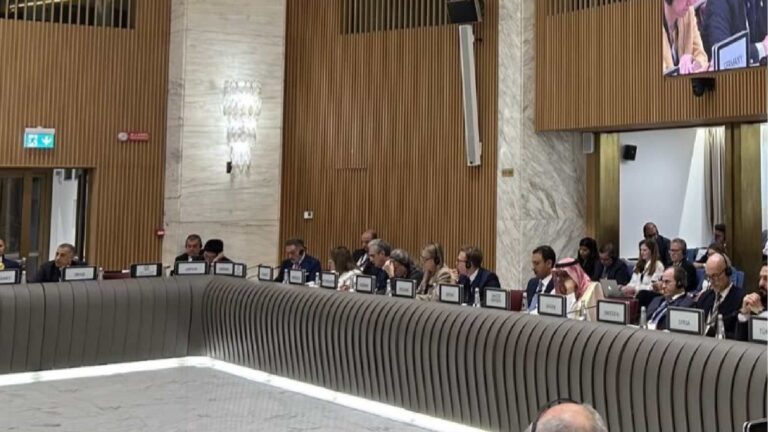
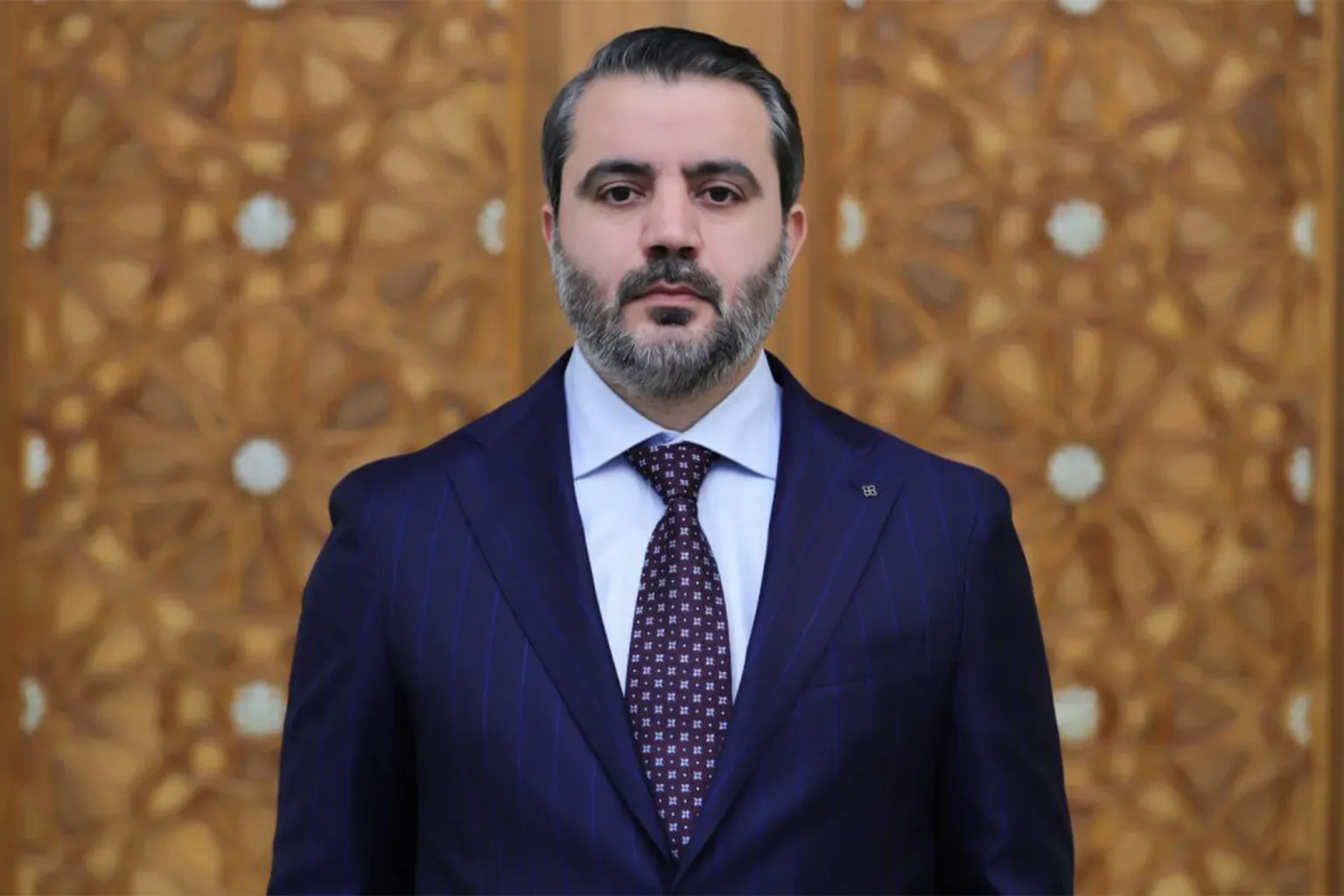
In an interview with Euronews yesterday on the sidelines of the EU-Syria Partnership Coordination Forum in Brussels, Syrian Foreign Minister Asaad al-Shaibani revealed new details of Syria’s foreign policy. This policy is based on unannounced negotiations with Israel, mediated by the United States, aimed at a “security” agreement, not forced “normalization.”
He also accused Israel of continuing to destabilize the region and target infrastructure.
He further revealed that Syria had attracted $62 billion in investments over the past year and a half.
He also spoke of the return of 1.5 million refugees and 1.5 million internally displaced persons, linking this return to the destruction left behind by the previous regime.
This raises the question of the viability of this vision presented by Minister al-Shaibani for building the new Syrian state.
First: Cautious Optimism:
The minister demonstrated an understanding of the state’s mindset when he distinguished between “peace” and “normalization.” The former is a strategic objective, while the latter is a popular and political red line. This distinction keeps room for maneuver open.
Linking the return of refugees to reconstruction is a logical equation that prevents placing unbearable burdens on the state and encourages donors to invest in genuine development projects.
Furthermore, his disclosure of direct negotiations with Israel (regardless of our official position within the Syrian Future Movement) is evidence of growing international confidence in the Syrian state’s ability to fulfill its responsibilities.
In general, these points indicate that Syria (in the new era) has become adept at speaking the language of nations, not the language of a faction or group.
Secondly: Risks:
The preceding analysis does not absolve us from strongly highlighting the dangers of certain pitfalls:
The ambiguity surrounding the “security agreement” with Israel. The minister spoke of an agreement that “respects sovereignty,” but remained without details.
This ambiguity could allow Tel Aviv to interpret the agreement later to its advantage, not to mention the many opportunists who seek to exploit the situation.
The lack of clarity now will create problems tomorrow. If there are security arrangements (checkpoints, observation posts, buffer zones), they must be subject to national debate before any agreement is signed.
$62 billion without oversight mechanisms—this is a truly enormous figure. If it isn’t accompanied by an independent oversight body for reconstruction and investment (which we in the Syrian Future Movement have repeatedly called for), along with transparent and impartial accountability, then the danger lies in repeating the Iraqi scenario after 2003! Billions flowed in, followed by corruption that perpetuates further corruption, extinguishing any hope of a civil state.
The return of refugees isn’t solely about addressing the “physical destruction.” Linking return to the reconstruction of physical devastation is essential, but it’s insufficient! Refugees today fear various issues, foremost among them the implementation of transitional justice, which would prevent any form of personal revenge or similar acts. Furthermore, basic services (electricity, water, internet, healthcare, schools) remain absent.
Any policy that aims to return millions of Syrians will remain incomplete and jeopardize sustainable stability.
Third: Lessons from the Past:
The Successful Experience: Post-War Germany:
After 1945, West Germany did not rely solely on funds. Instead, it established oversight institutions (the Federal Bank, independent courts) and subjected the Marshall Plan to rigorous transparency.
The result: a strong state that remains so today.
The Failed Experience: Post-2003 Iraq:
More than $60 billion flowed into the country, but the lack of accountability turned it into a quagmire of corruption. Institutions were not built; rather, the state fractured. This is what we fear for Syria if we do not learn from this experience.
Fourth: Practical Recommendations:
To build the state and its institutions based on these experiences, and from a position of support, we in the Syrian Future Movement propose the following:
- Increase the level of transparency in the negotiations with Israel, given its sensitivity, by submitting it to a direct public referendum and through the People’s Assembly before signing any security arrangements.
- Establish an independent “Higher Authority for Reconstruction and Investment,” subject to oversight by the Audit Bureau, with periodic reports published through official media outlets and their established channels.
This authority would manage the $62 billion and other resources, and determine project priorities. - Launch a “National Charter for Recovery” that addresses the concerns of refugees and goes beyond mere reconstruction and rebuilding. It should include fair compensation, security guarantees, voluntary military service, psychological rehabilitation, and other provisions.
- Grant civil society organizations the right to monitor spending and projects without hindering the work of the state. We, as an independent civil movement, could be a valuable asset in this regard.
In conclusion, the Syrian Foreign Minister’s statements are generally a step in the right direction and reflect an awareness of Syria’s need for realistic engagement with the world. However, the gap between ambition and achievement remains significant.
What is required now is:
- Transforming promises into tangible, institutional policies.
- Transforming the $62 billion into visible projects.
- Transforming the return of refugees into programs that reassure those who are hesitant and ensure the permanent residency of those who have returned.
If Syria succeeds in this, we will witness the birth of a modern, civil state, and this is what we hope for.
This is our opinion, presented here without praise or condemnation.
The onus is on all of us as Syrians, including civil society organizations, political parties, and movements, to build a Syria of institutions on clear and transparent foundations, based on integrity and a genuine partnership with the people.