
The Syrian Future Movement welcomes all efforts that contribute to strengthening civil peace and ending long-standing cycles of revenge and social conflicts. It considers this an important step towards building social trust and enhancing internal stability.
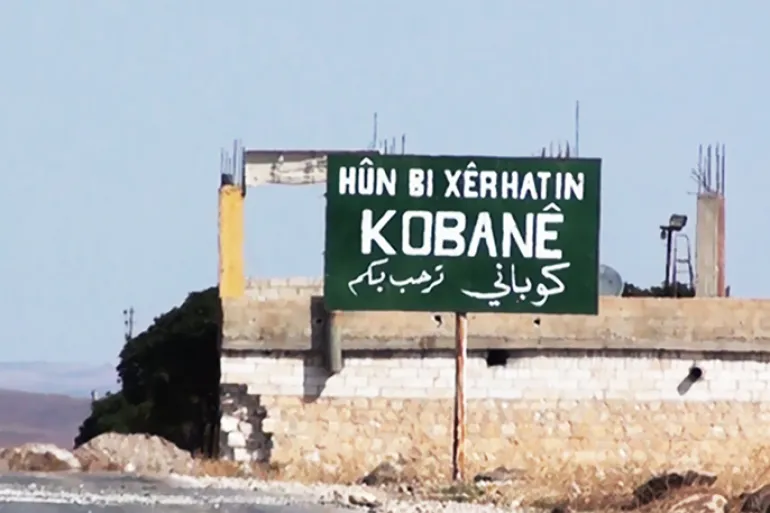
The Syrian Future Movement congratulates the residents of Ain al-Arab (Kobani) and the northern Aleppo countryside on the achievement of the tribal reconciliation that took place on Wednesday, March 31, 2026. This reconciliation ended a feud and cycle of revenge that had lasted for more than a decade between two families from the villages of Ashma and Jabna, since its outbreak in 2012.
The Syrian Future Movement views this reconciliation as a positive model reflecting the Syrian community’s ability to overcome its internal differences through dialogue and rationality. It affirms that such initiatives represent a necessary step towards establishing a culture of peace and social reconciliation, especially in areas that have long suffered from social and security tensions.
The Syrian Future Movement appreciates the social and community efforts that led to this reconciliation. It notes the participation of several official and military figures in the reconciliation ceremony held in the village of Jebna, including Farhan Haj Issa, Co-Chair of the Executive Council of Ain al-Arab; Samir Ali Oso (Sipan Hamo), Deputy Minister of Defense; and Mazloum Abdi, Commander of the Syrian Democratic Forces.
At the same time, the Syrian Future Movement emphasizes that tribal reconciliation, despite its importance, cannot replace the rule of law and official national institutions. The sustainability of such reconciliations requires strong institutional support, a clear legal framework, and a central role for the state in ensuring that conflicts do not recur and protecting the rights of all parties on the basis of equality before the law.
The Syrian Future Movement calls on all Syrian communities and tribes to promote a culture of dialogue and reconciliation and to reject all forms of revenge and retaliation, considering social stability to be the cornerstone of any successful political and economic reconstruction process in Syria.
The Syrian Future Movement looks to the future with confidence, believing that the new Syria must be a unified, democratic, civil state that protects its social and ethnic diversity, puts an end to all forms of internal conflict, whether tribal, political, or regional, and paves the way for building a single homeland that accommodates all its sons.