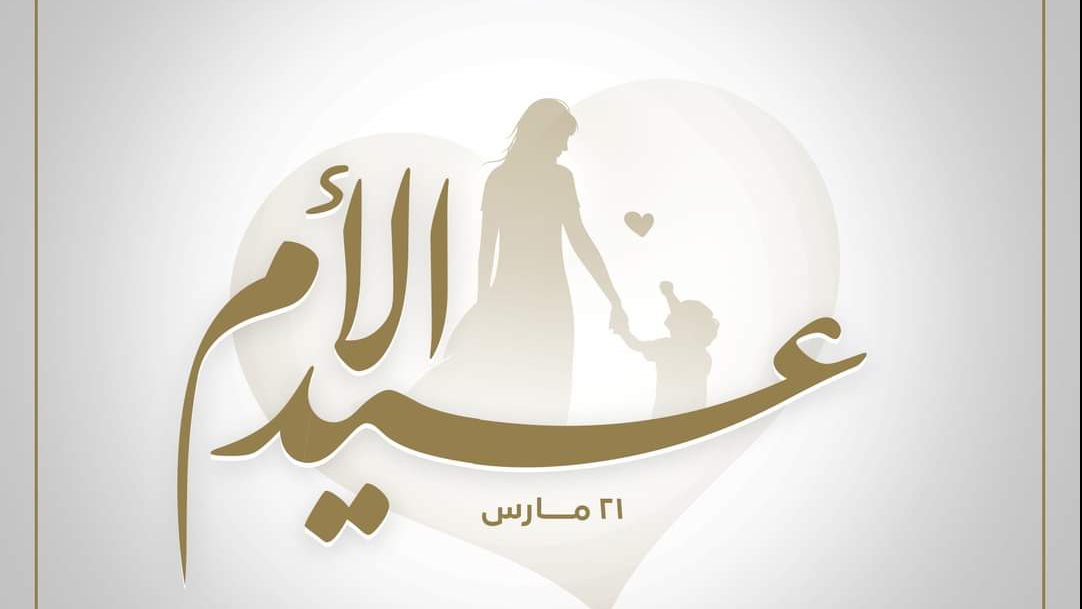
The Syrian Future Movement extends its sincerest congratulations to every Syrian mother, and to all mothers in Syria and around the world, on the occasion of Mother’s Day, celebrated on March 21st. This day symbolizes the tenderness, sacrifice, and care that form the foundation of the stability of the family, society, and nation.
The Syrian Future Movement views Mother’s Day as an opportunity to reaffirm the mother’s role as a fundamental element in building society and civilization. In formulating this message, the Movement draws inspiration from the “International Women’s Day” statement published on March 8, 2026, on its official website, sfuturem.org, which emphasized women’s empowerment and the promotion of gender equality as an integral part of national transformation.
The Syrian Future Movement affirms that motherhood represents a profound human and social function, supported by the values of modern theories in psychology and sociology:
- Attachment theory (developed by John Bowlby), which highlights the mother’s primary role in building psychological trust and emotional security for the child.
- Carol Gilligan’s ethics of care, which places human relationships and compassion at the heart of moral development.
- In addition, it aligns with the fifth United Nations Sustainable Development Goal, which links the empowerment of women and mothers to achieving equality and social peace.
The Syrian Future Movement commends the resilience of Syrian mothers who have borne the burdens of the protracted conflict and political transition, raising generations on the values of freedom, tolerance, and citizenship despite immense challenges. According to the 2025 report “Trends in Maternal Mortality: 2000 to 2023” by the Joint United Nations Group (WHO, UNICEF, UNFPA, World Bank, UN Population Division), the maternal mortality rate in Syria decreased to approximately 20 deaths per 100,000 live births in 2023 (with an uncertainty range of 11–37.7), a significant improvement reflecting previous efforts, but one that remains vulnerable to regression given the fragile economic and health conditions.
As UNICEF and UNIFAP reports (2025) indicate, the rate of exclusive breastfeeding for infants in the first six months does not exceed 40%, reflecting the urgent need for greater support for maternal and child health. Early marriage and gender-based violence remain coping mechanisms for poverty and displacement, with domestic and psychological violence on the rise in displacement and camp settings.
The Syrian Future Movement expresses its deep concern regarding the limited progress in the representation of women and mothers in the political transition process. The indirect parliamentary elections in October 2025 (for 119 out of 210 seats) resulted in the election of only 6 women (less than 5% of the seats filled), according to reports from the United Nations and human rights organizations (including Security Council briefings 2026 and OHCHR March 2026). This underrepresentation persists in executive bodies (only one minister in the transitional government) and in constitutional and electoral committees. We believe this reality contradicts the commitments of UN Security Council Resolution 1325 (2000) and the need for a comprehensive transition that ensures the full and meaningful participation of women, making it legitimate and sustainable.
The Syrian Future Movement calls on the transitional government and society to adopt concrete and urgent policies to support motherhood, including:
- Ensuring access to free, high-quality health and education services for mothers, especially in rural and displaced areas where the illiteracy rate among women in some age groups exceeds 8% (the adult female literacy rate was 92% in 2021, according to UNESCO and World Bank data).
- Combating gender-based violence and early marriage through awareness campaigns and preventative legislation, along with independent and transparent investigations into reported cases of disappearance and sexual violence (as documented by OHCHR and the 2025–2026 reports).
- Integrating the values of care and equality into educational curricula, and implementing a quota of no less than 30-50% for women in upcoming constitutional, electoral, and governmental committees, along with forming a joint national committee (governmental-civil society) to review personal status laws and strengthen the rights of mothers and women during 2026 in a manner that does not conflict with the general culture of the Syrian people.
- Supporting displaced mothers and female heads of households through economic and social programs that protect them from poverty, which exacerbates early marriage and domestic violence.
The Syrian Future Movement affirms its pride in Syria’s social and cultural diversity and sees the Syrian mother as a symbol of national unity that brings together all its components. It calls for a collective commitment to the principles of equal citizenship and the rule of law, along with building the institutions of a democratic civil state that protects the rights of mothers and women as inherent and inalienable rights.
The Syrian Future Movement hopes that Mother’s Day 2026 will mark a true turning point towards national initiatives that make supporting motherhood and equality a strategic priority in reconstruction, so that Syria may once again become a beacon of civilization, tolerance, and humanitarian care, within the framework of international relations built on mutual respect.
May every year bring goodness, pride, and dignity to every Syrian mother, and may every Mother’s Day strengthen the nation’s hope for a better future that its sons and daughters deserve.