
The Syrian Future Movement expresses its full solidarity with patients and their families in Syria and the Syrian diaspora, and affirms its commitment to making the issue of rare diseases a national priority in building a just and sustainable healthcare system for the new Syria.
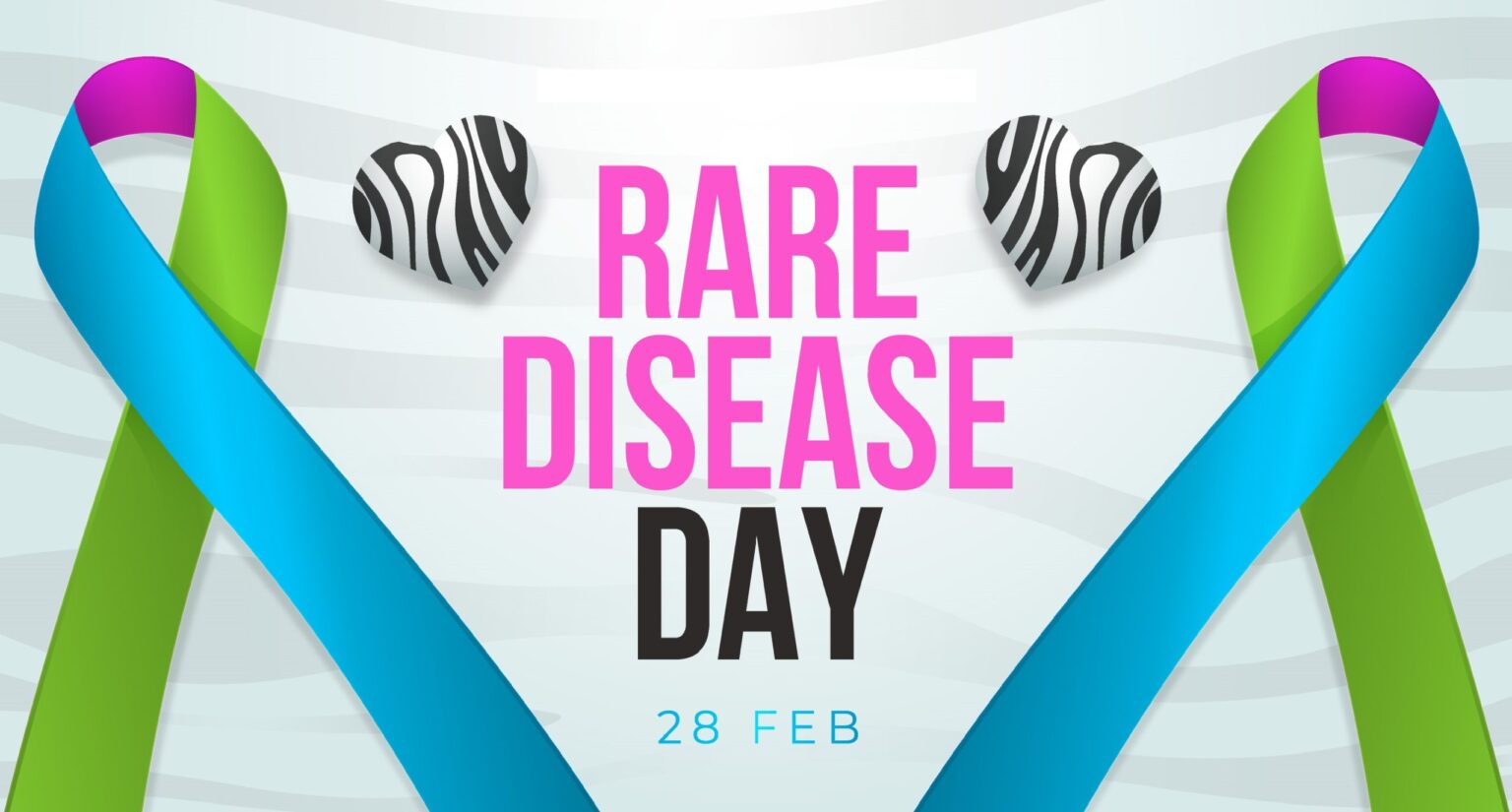
The Syrian Future Movement notes that World Rare Disease Day is commemorated annually on the last day of February (February 28 in non-leap years, and February 29 in leap years). It was first launched on February 29, 2008, by EURORDIS-Rare Diseases Europe, and has become a global event since 2009, with the participation of more than 100 countries. Its aim is to raise awareness, promote scientific research, and improve access to early diagnosis and treatment for more than 300 million people worldwide living with a rare disease, of which approximately 72% are genetic, and 70% begin in childhood, with a mortality rate of up to 30% before the age of five in many cases.
The Syrian Future Movement points out that rare diseases are defined globally as those affecting fewer than 1 in 2,000 people (in Europe) or fewer than 200,000 individuals (in the United States). It is estimated that there are more than 7,000 to 10,000 known rare diseases, most of which are genetic.
Their global prevalence is estimated at approximately 3.5-5.9% of the population, or about 300 million people.
The Syrian Future Movement emphasizes that the Arab region, including Syria, experiences a relatively higher burden due to high rates of consanguineous marriage, ranging from 20-60% in some Syrian communities, which increases the risk of recessive genetic diseases.
Furthermore, in the Middle East, the number of those affected is estimated at hundreds of thousands in countries such as Egypt, Saudi Arabia, and the UAE, based on an approximate prevalence rate of 0.7% (according to United Nations reports and regional studies). In Syria, at least 166 genetic disorders have been documented, 22% of which are recessive diseases almost exclusively found in Syrians and the surrounding region. This is compounded by the destruction of healthcare infrastructure, the lack of national registries, and the absence of a unified definition.
The Syrian Future Movement sees the slogan of this year’s 2026 campaign, “More Than You Can Imagine,” as a call to recognize that the impact of rare diseases extends beyond the medical sphere to include social exclusion, economic burdens, mental health challenges, and difficulties in education and employment, particularly within the context of Syria, which has suffered the effects of conflict and displacement.
The Syrian Future Movement proposes the following:
- Establishing a central national registry for rare diseases based on international standards (Orphanet, ICD-11), collecting data from hospitals and medical centers while ensuring data privacy.
- Developing mandatory premarital screening programs, expanded to include common genetic diseases in Syrian society (such as thalassemia, sickle cell anemia, and other disorders), with the introduction of advanced genomic testing (Whole Exome Sequencing – WES, Whole Genome Sequencing – WGS) at reference centers within five years.
- Establishing three national centers of excellence for rare diseases in Damascus, Aleppo, and Homs, equipped with genomic diagnostic technologies and collaborating with international networks such as IRDiRC and EURORDIS to transfer expertise and orphan drugs.
- Including orphan drugs in the future national health insurance coverage, with the creation of a joint funding fund between the government, international organizations, and the private sector to reduce costs.
- Enhancing community awareness by integrating rare diseases into educational curricula, launching media campaigns, and supporting NGOs to reduce stigma and encourage early detection, along with psychosocial support programs for families.
- Supporting national scientific research through partnerships with Syrian universities and expatriate Syrian experts in genomics, to identify Syrian founder mutations and develop tailored treatments.
The Syrian Future Movement calls on all national forces, health institutions, international organizations, and civil society to unite their efforts to transform the new Syria into a model of humane and equitable treatment for rare diseases, recognizing that individual rarity is not societal rarity.