
Introduction:
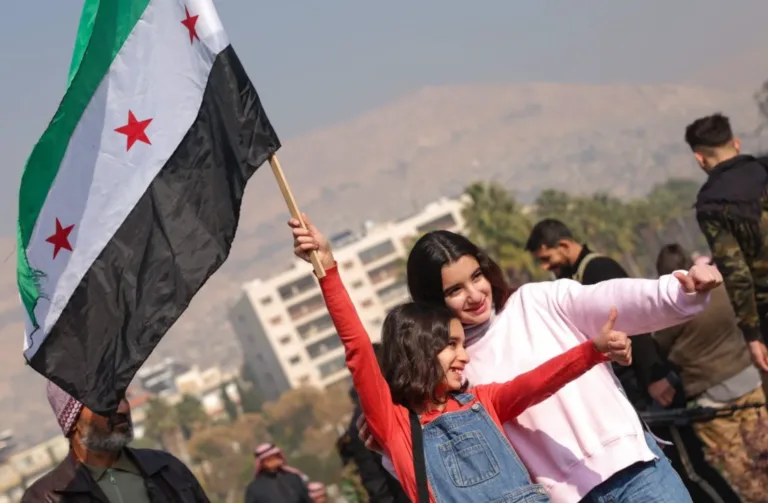
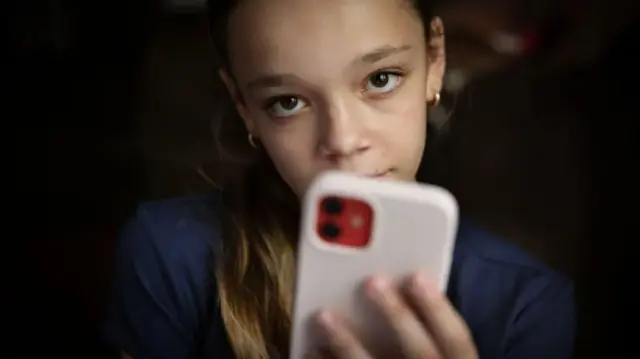
In the age of rapid digitalization, social media has become a powerful tool for communication and financial gain, but it has also become a platform for the increasing exploitation of children. In Syria, which continues to suffer the consequences of the ongoing conflict since March 2011, the phenomenon of using children to produce digital content, particularly through live begging broadcasts on TikTok, has become alarmingly widespread. Children in displacement and refugee camps are forced to appear for hours in front of cameras, soliciting digital gifts that are converted into money, while operators or intermediaries take the lion’s share of the profits, constituting a form of child trafficking.
According to UNICEF reports, more than 7.5 million Syrian children will need humanitarian assistance in 2025, with approximately 2.4 to 2.45 million children out of school, increasing their vulnerability to such exploitation.
From an Islamic perspective, a child is considered a divine trust that must be protected, based on the objectives of Islamic law, which include the preservation of life, intellect, lineage, property, and religion. The Holy Quran warns against killing children for fear of poverty, as in the verse: “And do not kill your children for fear of poverty. We provide for them and for you. Indeed, their killing is ever a great sin.” (Surah Al-Isra: 31).
The Prophet Muhammad (peace and blessings be upon him) emphasized compassion for children, saying: “Honor your children and raise them well.” The hadith also states: “It is enough of a sin for a man to neglect those he is obligated to provide for,” thus prohibiting any form of exploitation that exposes a child to psychological or physical harm.
This article aims to analyze the phenomenon in depth, drawing on recent statistics up to 2026, contemporary scientific theories, international experiences, and Syrian and international laws, with a focus on Islamic principles, and proposing legislation to prevent this exploitation.
It will be published by the Research and Studies Department of the Family Affairs Office of the Syrian Future Movement to raise awareness and advocate for legislative change, while considering current challenges such as ongoing displacement and the need for international support.
Background and Statistics on the Phenomenon in Syria:
The Syrian conflict began in March 2011 between the people who rose up against their oppressor and a tyrannical, criminal regime. By 2024, this conflict had resulted in the deaths of nearly 30,000 children, with thousands more recruited into armed groups.
According to the UN’s 2025 report, covering the period from October 2022 to December 2024, 3,343 grave violations against 3,209 children in Syria were verified, focusing on recruitment, killing, and maiming. Globally, grave violations against children in conflict increased by 25% in 2024, reaching 41,370 violations against more than 22,000 children – the highest number in two decades. These alarming trends are expected to continue into 2025, although no specific increase has yet been documented.
In the digital sphere, the phenomenon of “live begging” via TikTok has become prominent in Syria, particularly in displacement camps in the northwest of the country. Children broadcast live for extended periods, requesting digital gifts (such as “black” or “roses”) which are converted into money. However, TikTok takes up to 70% as a fee. While comprehensive official statistics are unavailable, media reports continue to document the phenomenon, even as late as 2025. A Guardian investigation in April 2025 revealed the prevalence of this practice in Syrian camps, raising concerns about sexual exploitation and coercion, where children are forced to perform actions or make requests to attract viewers.
Reports from 2024-2025 indicate that these broadcasts generate up to $1,000 per hour, but families receive less than 20% of that amount.
In 2025, UNICEF reported that 16.7 million people in Syria would need humanitarian assistance, including 7.5 million children, with 2 million children at risk of malnutrition and approximately 2.4 to 2.45 million children out of school.
In 2025, 813 explosion incidents were recorded, resulting in the deaths of 156 children and injuries to 383 others. These economic and security conditions make children more vulnerable to digital exploitation, where they are used in content that promotes unrealistic standards or even content bordering on sexual exploitation, with girls experiencing digital violence three times more often than boys.
Ongoing displacement, such as the renewed clashes in northeast Syria in early 2026, exacerbates the situation, displacing approximately 200,000 people, half of whom are children.
Psychological and Social Impacts on Children:
Psychological theories, such as Henri Tajfel’s social identity theory, suggest that children are affected by social comparisons on social media, leading to psychological disorders such as anxiety and depression.
A 2023 study published in the Journal of Child Psychology confirms that early digital fame increases the risk of psychological disorders by 40%, especially with the loss of privacy and exposure to negative comments.
Children in Syria who participate in begging broadcasts suffer from physical and psychological exhaustion, spending hours without rest. This affects their emotional development and leads to feelings of shame or dependency, in addition to the risks of exposure to inappropriate content or online sexual exploitation.
Socially, this exploitation reinforces gender discrimination, with girls facing higher risks. A UNICEF report indicates that 80% of children in 25 countries feel at risk of online sexual exploitation. It also leads to family breakdown, as the child becomes the primary source of income, hindering their education and making them vulnerable to domestic or external violence, and increasing the risk of them dropping out of traditional educational settings.
Syrian and International Laws:
Syria issued Child Rights Law No. 21 of 2021, which prohibits the use of children in advertising or content that violates their privacy (Article 31) and prevents violence and economic exploitation (Article 51). It also stipulates the protection of children from sexual exploitation.
However, it lacks specific mechanisms to address digital exploitation, especially given the multiple regional jurisdictions and weak institutions. In 2023, Legislative Decree No. 2 was issued to regulate the care of children.
The law protects children of unknown parentage, but it does not cover digital exploitation. Syria has ratified the Convention on the Rights of the Child since 1993.
The 1989 Convention on the Rights of the Child protects children from exploitation (Article 34) and calls for the prevention of digital abuse. The 2024 UN Convention against Cybercrime criminalizes online sexual exploitation. The Lanzarote Convention (2007) also criminalizes sexual contact with children via technology.
International experiences in regulating children’s content:
France passed a law in October 2020 limiting the hours children under 16 can work online and protecting their income, along with the right to have their images forgotten when they grow up.
In Illinois (2024), a law requires trust funds for the earnings of child influencers. Australia banned the use of social media by children under 16 in November 2024.
In the Arab region, Egypt issued guidelines in 2026 prohibiting the online bullying, blackmail, or exploitation of children, and banning digital communication with children outside of official channels, with deterrent penalties for platforms that violate these regulations. For example, Roblox was banned in February 2026 due to its harmful content.
Implementation Challenges in the Syrian Context:
Despite the importance of legislation, implementation in Syria faces significant challenges due to multiple levels of control, weak institutions, and the widespread, unregulated proliferation of digital platforms. Furthermore, extreme poverty in refugee camps forces families to continue these practices despite the risks. Therefore, international cooperation with UNICEF and platforms like TikTok is needed to implement filters and automated monitoring, along with awareness programs and economic support for families, with a focus on reintegrating children into education, as exemplified by the 2025 “Back to Learning” campaign, which helped millions of children.
The Islamic Perspective on Child Protection:
Child exploitation is prohibited, based on the objectives of Islamic law (Sharia). The Quran commands the protection of orphans, as in the verse: “And let those [who would] fear [Allah] who, if they left behind them [weak] offspring, would be concerned for them. So let them fear Allah and speak words of appropriate guidance” (Quran 4:9). Islamic scholars emphasize the importance of fostering and care.
Furthermore, the Convention on the Rights of the Child in Islam (2005) protects against economic and sexual exploitation. Therefore, legislation should focus on preserving life by preventing psychological harm, preserving intellect by ensuring education, and preserving lineage by prohibiting gender discrimination, drawing inspiration from the Prophetic traditions (Hadith) that emphasize mercy and justice towards children.
Conclusion:
During Syria’s recovery phase, legislation must be enacted to protect children from digital exploitation, drawing inspiration from religious principles and international experiences. We believe this is not only a legal obligation but also a moral imperative to safeguard the future of our generations. This requires a focus on economic support and awareness campaigns to fundamentally reduce the phenomenon, especially given the ongoing challenges in 2026.
In conclusion, the Family Affairs Office of the Syrian Future Movement proposes a “Child Protection from Digital Exploitation” law, which includes the following:
- Article 1: Defining digital exploitation as any use of a child in content intended for profit without their consent, including direct solicitation.
- Article 2: Prohibiting the use of children under 16 in commercial digital content, with penalties of up to 10 years imprisonment for intermediaries.
- Article 3: Mandating trust funds for 70% of profits, along with the right to digital oblivion.
- Article 4: Establishing a joint oversight committee with UNICEF and social media platforms.
- Article 5: Linking the law to international laws and Sharia principles, along with family awareness programs.
- Article 6: Implementation mechanisms in conflict zones, with international cooperation, including psychological rehabilitation programs for exploited children. List of References:
References:
- BBC News. (2022, October 11). How TikTok profits from Syrian children begging. BBC News. https://www.bbc.co.uk/news/technology-63212345 (تم الاستمرار في تغطية الظاهرة حتى 2025 كما في تقارير متابعة).
- Das, S. (2025, April 6). ‘Profiting from misery’: How TikTok makes money from child begging livestreams. The Guardian. https://www.theguardian.com/technology/2025/apr/06/profiting-from-misery-how-tiktok-makes-money-from-child-begging-livestreams
- Office of the Special Representative of the Secretary-General for Children and Armed Conflict. (2025, November 26). *Children and Armed Conflict in the Syrian Arab Republic: Report of the Secretary-General. United Nations. https://childrenandarmedconflict.un.org/document/children-and-armed-conflict-in-the-syrian-arab-republic-report-of-the-secretary-general
- United Nations. (2025). Children and armed conflict: Annual report of the Secretary-General (A/79/842-S/2025/…). United Nations General Assembly and Security Council. (يشمل بيانات الانتهاكات العالمية 2024 وتفاصيل سورية).
- UNICEF Syrian Arab Republic. (2025, October 6). Delivering impactful results for every child and young person in Syria 2025-2026. UNICEF. https://www.unicef.org/syria/reports/delivering-impactful-results-every-child-and-young-person-syria-2025-2026
- UNICEF Syrian Arab Republic. (2026, January 28). Syria Humanitarian Situation Report 2025. UNICEF. https://www.unicef.org/syria/media/22626/file/Syria-Humanitarian-situation-report-2025.pdf
- UNICEF Syrian Arab Republic. (n.d.). The situation of children in Syria*. UNICEF. Retrieved February 9, 2026, from https://www.unicef.org/syria/situation-children-syria (يشمل إحصائيات 2025: 7.5 مليون طفل بحاجة، 2.45 مليون خارج المدرسة).
- UNICEF. (2025). Humanitarian Action for Children 2026 – Syrian Arab Republic. ReliefWeb/UNICEF. https://reliefweb.int/report/syrian-arab-republic/humanitarian-action-children-2026-syrian-arab-republic