
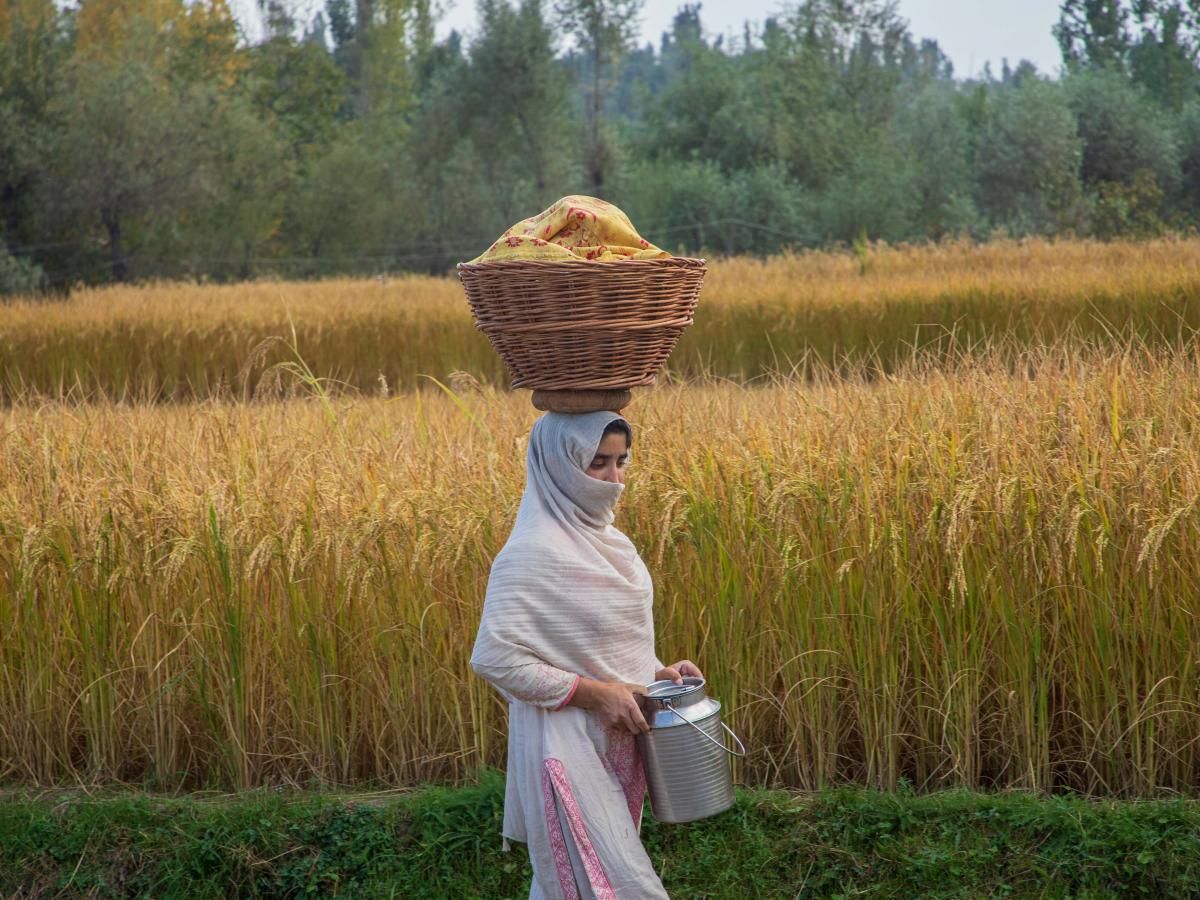
On the occasion of the International Day of Rural Women, which falls on October 15th of each year, the Syrian Future Movement extends its appreciation and reverence to the women of rural Syria, who constitute a fundamental pillar of the national social and economic fabric, despite the significant challenges they face under current circumstances.
The United Nations General Assembly established this day in 2007 in recognition of the vital role rural women play in enhancing food security, combating poverty, and advancing sustainable development. In Syria, these roles are clearly evident in various sectors, particularly agriculture and home industries. Statistics indicate that:
More than 70% of manual agricultural operations in Syria rely on the efforts of rural women.
Approximately 96.7% of rural women invest in the spaces surrounding their homes for plant production.
Approximately 88.4% of them participate in home-based food industries, reflecting a spirit of initiative and productivity despite limited resources.
In Tartous Governorate, a field study showed that 88% of women who received agricultural extension training applied what they learned, demonstrating their willingness to develop and contribute effectively.
The Syrian Future Movement views the consolidation of the values of this day as a national necessity, requiring fair development policies that ensure:
- Empowering rural women economically and socially through providing training, financing, and marketing opportunities.
- Improving infrastructure in rural areas, including education, health, and transportation.
- Strengthening the role of rural women in local decision-making and ensuring their representation on municipal and development councils.
The Syrian Future Movement believes that the advancement of rural women is not merely a social entitlement, but rather a fundamental pillar in building a future Syria—a Syria of justice, equality, and human dignity.
Finally, the Syrian Future Movement renews its commitment to supporting rural women’s issues and working to integrate them into national development processes, believing that rural renaissance begins with the empowerment of its women.