Introduction:
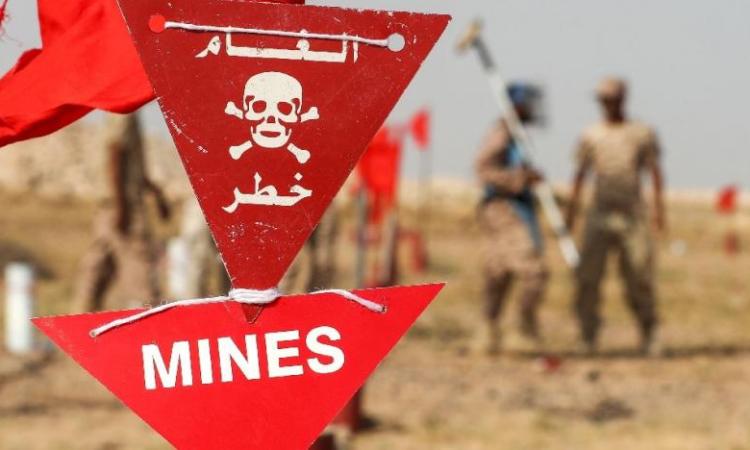
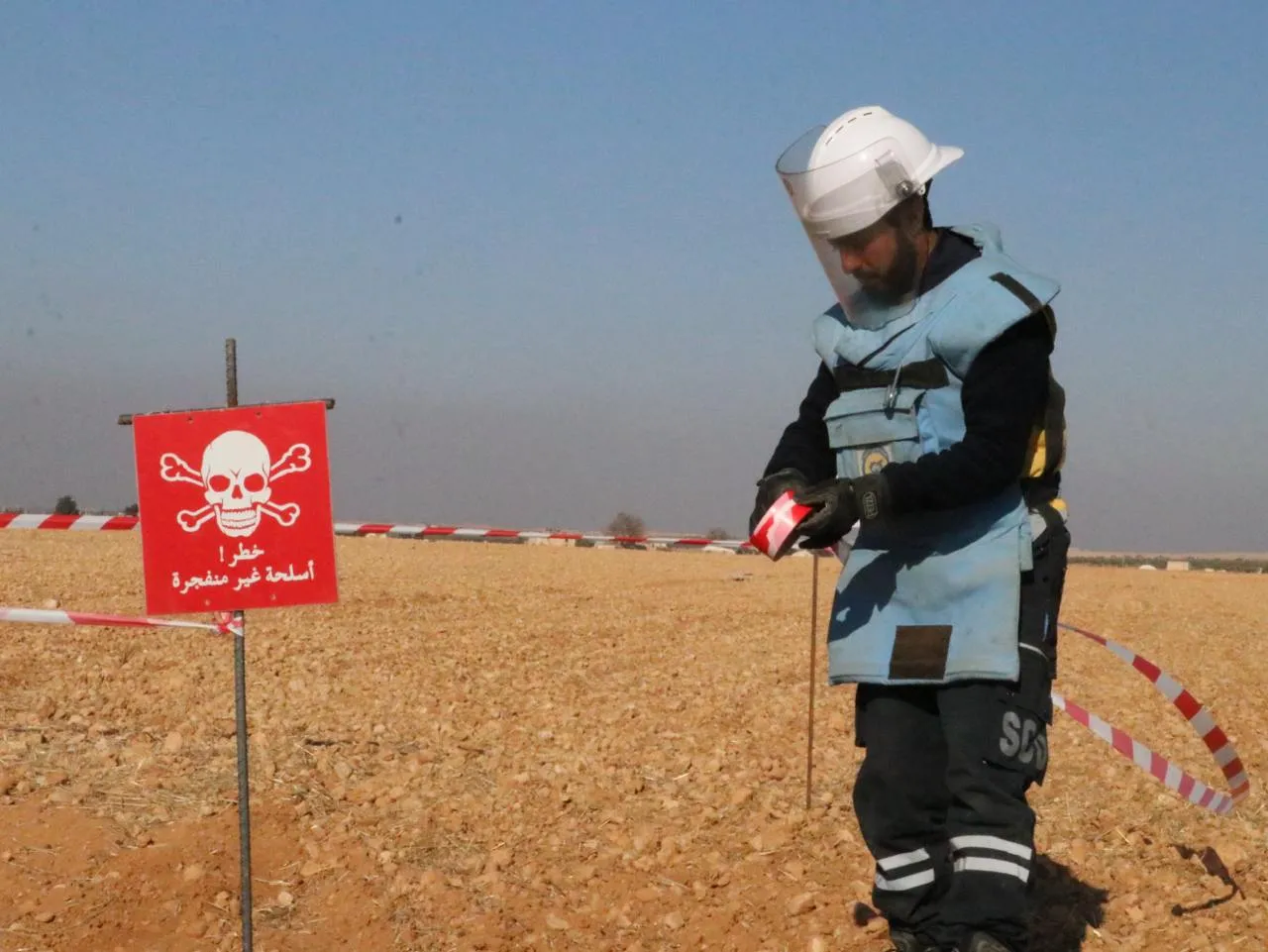
War remnants, particularly landmines and unexploded ordnance (UXO), are one of the most pressing challenges in post-conflict Syria. While local and international actors are busy with reconstruction and stabilization, the threat of these remnants continues to haunt civil societies, reproducing cycles of pain, displacement, and structural dysfunction.
This article seeks to move beyond traditional human rights discourse toward an institutional and systematic analysis of the impact of war remnants on local stability, economic growth, and social cohesion, drawing on the experiences of countries emerging from bloody conflicts and emerging as models of recovery.
First: The Syrian Context and the Scale of the Disaster:
Since the start of the liberation operations in northern Syria until August 1, 2025, numerous local and international organizations have documented thousands of civilian casualties resulting from the explosion of explosive remnants of war.
Syrian Civil Defense reports indicate that more than 390 civilians have been killed in recent months alone, including more than 100 children.
While these numbers are significant, they only represent the visible aspect of the disaster.
The absence of a national system for comprehensive surveying and documentation, the fragmentation of military control, and the lack of coordination among actors make assessing the true scale of the problem extremely complex. Furthermore, munitions scattered throughout agricultural and residential areas prevent the return of displaced persons, hinder community recovery efforts, and create an environment that discourages investment.
Second: War Remnants as a Complex Institutional Problem:
War remnants represent a multidimensional challenge that goes beyond the security dimension:
- Legal Dimension: The lack of a unified legal framework in Syria that defines the responsibility of controlling parties for mine clearance or sets standards for dealing with them leads to impunity and the recycling of pain without compensation or recognition.
- Development Dimension: Mines hinder agricultural and infrastructure projects, diminish investment opportunities, and threaten food security, slowing economic recovery, especially in rural areas.
- Social and Psychological Dimension: Mine explosions leave generations disabled and orphaned, perpetuate feelings of fear and instability, and fuel catastrophic discourse within society, hindering the building of societal trust necessary for any transformational process.
Third: Comparative International Experiences:
- Rwanda: Community Justice and Documentation: After the genocide, Rwanda relied on a “restorative justice” model through the Gasha courts, which provided victims and perpetrators with a space for documentation and accountability within a community context. Mine victims were also integrated into economic reintegration programs.
- Cambodia: Technical Partnerships and Mine Action: Cambodia relied on long-term international partnerships, most notably cooperation with the Geneva Mine Action Centre, to develop a digital database of contaminated areas and implement community awareness programs in schools and places of worship. This contributed to an 80% reduction in the number of victims over ten years.
- South Korea: Investing in Memory and Development: In Chuncheon Province, formerly contaminated areas were transformed into “memory museums,” and war victims were included in training and psychological and vocational rehabilitation programs. Technology was also harnessed to produce interactive maps showing contaminated areas, enhancing transparency and attracting investors.
Fourth: Challenges Facing Syria in Adopting Effective Policies
Despite Syria’s benefit from international expertise, the complexities of the internal situation pose additional challenges:
- Overlapping authorities and military positions.
- The absence of a unified national survey.
- Most local institutions lack the necessary funding and technology.
- The lack of trust between communities and official or controlling bodies. Therefore, addressing this dilemma requires a participatory civil framework based on transparency, drawing on universities, research centers, and the local community.
Fifth: Strategic Recommendations:
- Establish an independent civilian body to address remnants of war, including legal experts, engineers, and representatives of affected communities.
- Create a national database to identify contaminated areas, victims, and mine clearance plans, in partnership with experienced international organizations such as the HALO Trust and UNMAS.
- Integrate victims of remnants of war into national plans for psychological and community rehabilitation through vocational training programs and local employment.
- Launching community awareness campaigns designed in the local language and targeting children and farmers, integrated into school curricula, mosques, and service centers.
- Developing an interactive digital map of dangerous areas, accessible via smartphones and updated regularly.
- Documenting violations related to remnants of war and presenting them to international platforms to ensure legal and human rights recognition of victims.
- Adopt a humanitarian approach to economic policies by linking investment and employment to mine clearance and achieving community safety.
Conclusion:
The victims of war remnants are not just numbers in human rights reports. They represent a true test of the ability of the Syrian state and society to build a new social contract.
While mine clearance is a necessary step, related policies must be grounded in the concepts of justice, participation, memory, and rehabilitation. They must transform from a mere technical measure into a comprehensive national process that restores dignity to humanity and opens the way for sustainable investment and genuine coexistence.