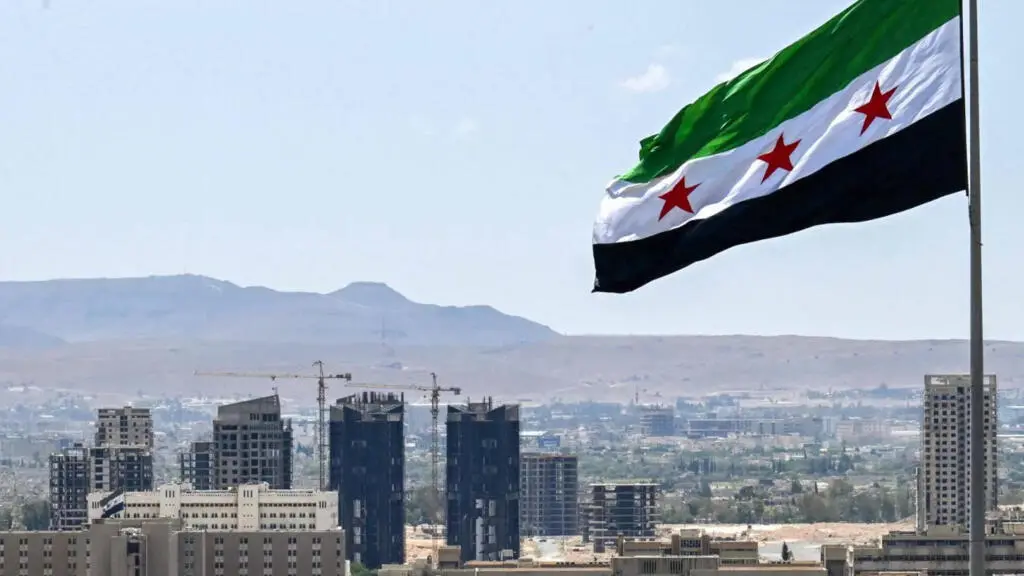
The Syrian Future Movement follows with grave concern and condemnation the joint report issued by the Food and Agriculture Organization of the United Nations (FAO) and the World Food Programme (WFP) on June 18, 2026, which classified Syria among the world’s “hunger hotspots,” alongside Sudan, Yemen, and Palestine, in a list of 13 countries facing acute levels of food insecurity due to ongoing armed conflicts and humanitarian crises.
This classification comes at a time when the report estimates that the period between June and November 2026 could witness a further deterioration in food conditions within these countries, warning that conflict and violence remain the primary driver behind the worsening hunger crisis in 12 of the 13 countries on the list.
First: The Syrian Future Movement warns that the continued deterioration of food conditions in Syria, given its classification among the world’s most dangerous hunger hotspots, represents an existential threat to civil peace and social stability.
The Syrian Future Movement points out that the UN report did not emerge from a vacuum, but rather reflects the bitter reality faced by millions of Syrians. The crisis is exacerbated by a confluence of factors: the ongoing effects of the conflict, economic pressures, declining agricultural production, the impacts of climate change, and, most importantly, the limited humanitarian funding, which decreased by 59% between 2022 and 2025. This has reduced the ability of international organizations to implement food relief programs at the required pace, despite the continued rise in the number of those in need.
We reiterate that this classification is a warning of an impending humanitarian catastrophe, threatening the lives of millions and deepening the suffering of the most vulnerable groups, especially children, women, and displaced persons.
Secondly, the Syrian Future Movement recalls the scale of the disaster affecting agricultural areas, particularly Deir ez-Zor Governorate, due to the Euphrates River floods that destroyed tens of thousands of acres at the height of the harvest season.
The Syrian Future Movement draws attention to the rapid needs assessment conducted by Oxfam between May 31 and June 3, 2026, which revealed that the flooding of the Euphrates River in the western Deir ez-Zor countryside caused widespread agricultural damage.
According to data from the Deir ez-Zor Directorate of Agriculture, the affected area reached approximately 20,500 dunams, mostly land planted with wheat, barley, cotton, and vegetables.
The assessment showed that about 85% of farmers lost their agricultural income entirely or partially due to the floods, while 85% of individual and collective irrigation systems were completely out of service.
These losses have forced many families to take drastic measures to cope. 43% of those affected sold their livestock or productive assets, while 25% intend to resort to borrowing to meet their needs.
Third: The Syrian Future Movement reiterates its firm positions supporting the enhancement of food security and the improvement of living conditions, as published on its official website, including:
- The statement on the World Food Programme’s reduction of its emergency aid in Syria (dated May 13, 2026), which warned that cutting emergency food aid by 50% and halting the bread subsidy program, which served approximately 4 million people, would push millions of Syrians into further food insecurity, and called on the international community to provide urgent funding.
- The statement on setting the purchase price of wheat for the 2026 season (dated May 18, 2026), which called for a review of prices to align with actual production costs and link them to a flexible exchange rate to ensure fair pricing and encourage farmers to continue cultivating the land.
- The statement on the Latakia fire disaster and the government’s plan for environmental protection and response (dated July 9, 2025), which warned that the absence of a system for documenting and accurately cataloging natural resources exacerbates the fragility of governance and makes it difficult to respond effectively to disasters. Fourth: The Syrian Future Movement emphasizes that addressing the hunger crisis in Syria requires more than just humanitarian appeals. It necessitates a comprehensive national strategy that tackles the root causes of the crisis, improves agricultural production, and strengthens social resilience.
While we appreciate the humanitarian efforts of international organizations, we reiterate that continued reliance on emergency aid without addressing the structural causes of the crisis will keep Syria trapped in a cycle of hunger and dependence on foreign aid.
Based on its national responsibility, the Syrian Future Movement recommends the following:
- Working to improve local agricultural production by providing subsidized production inputs (fertilizers, improved seeds, pesticides), and rehabilitating damaged irrigation networks and agricultural infrastructure, especially in flood-affected areas like Deir ez-Zor, to support farmers and help them recover.
- Developing national social safety nets to protect the most vulnerable groups during crises and transitioning from an emergency relief model to a sustainable development model to ensure that hunger crises do not recur in the future.
- Strengthening cooperation with international organizations and donors to secure sufficient funding for the humanitarian response, working to increase the sharply declining funding levels, and ensuring that aid reaches all those in need without discrimination or delay.
- Launching national awareness campaigns on the importance of food security, rationalizing consumption, and supporting local products, with the participation of civil society, the private sector, and the media, to promote a culture of self-sufficiency and reduce food waste.
In conclusion: The Syrian Future Movement affirms that the hunger crisis in Syria is not inevitable, but rather a result of the policies of neglect and systematic destruction practiced by the former regime for decades, exacerbated today by the repercussions of the conflict, floods, and the decline in international funding.
We believe that the Syrian government and the international community are called upon today to shoulder their responsibilities and work together to avert a greater humanitarian catastrophe in Syria and guarantee the Syrian people’s right to food and dignity.
The Syrian Future Movement will remain a supporter and advocate.I am committed to and monitoring this file, striving to build the new Syria on the foundations of social justice, food security and sustainable development.