
Prisons holding ISIS members in northeastern Syria have emerged as a crucial element in the dynamics of power and negotiation.
Since the fall of the group’s last stronghold in Baghouz in 2019, the Syrian Democratic Forces (SDF) have managed these facilities, which house thousands of foreign and local fighters and their families, using them as leverage in international and regional negotiations.
However, a rapid military escalation in January 2016 led to a ceasefire agreement on January 18 between the SDF and the Syrian government, stipulating the transfer of full control over these prisons and camps, including al-Hol camp, to Damascus.
This agreement, reflecting a shift in the balance of power, quickly faced implementation challenges, with reports of sporadic clashes and prisoner escapes highlighting the fragility of stability in the region.
Historically, these prisons—such as Ghweiran and al-Shaddadi—and camps—such as al-Hol and al-Roj—have been central to the SDF’s strategy of consolidating its influence. Under the guise of US support within the international coalition against ISIS, the SDF transformed these facilities into a multifaceted bargaining chip.
Internationally, they used them to exert financial and legal pressure on Western countries, refusing to repatriate their citizens without substantial financial assistance. For example, in 2024, they demanded millions of dollars to manage the facilities.
This approach intensified after the Ghweiran attack in 2022, which resulted in the escape of hundreds of detainees and the deaths of over 500 people. This prompted the US to provide ongoing support, yet the repatriation rate for foreign nationals did not exceed 15% by the end of 2025.
Regionally, the prisons served as a shield against Turkish pressure. Ankara launched repeated military operations against SDF-held areas since 2018, such as Operation Peace Spring in 2019, during which the SDF threatened to release detainees in the event of a large-scale offensive, exploiting regional fears of an ISIS resurgence. It also established security coordination with Iraq, which transferred thousands of Iraqis from the camps in 2025, leading to a joint mechanism with the international coalition to expedite repatriation.
Domestically, the SDF used the issue as a bargaining chip with Damascus, both under the previous regime and the current transitional government.
During the 2023 and 2025 rounds of negotiations, mediated by Russia and the United States, the SDF offered the issue in exchange for recognition of its autonomy, making it a key “security proxy.” However, this raised concerns about a security collapse, especially given the repeated ISIS attacks in 2025 that killed dozens in SDF-controlled areas.
The January 18, 2026 agreement came as the culmination of a military escalation, with government forces seizing control of Raqqa and Deir ez-Zor after clashes that resulted in dozens of casualties. The agreement includes 14 key provisions, most notably the transfer of oversight of prisons and camps to the Syrian government, with the integration of administration and forces into the government structure. It also entails the integration of the SDF into the Syrian army and the Ministry of Interior after security vetting, along with the granting of ranks and financial benefits.
This represents a pragmatic shift that strengthens the central state’s role in combating terrorism, transforming the SDF from an “independent proxy” into a partner under the Syrian umbrella.
Furthermore, it unifies the legal framework, transferring detainees from “factional detention” to “detainees under Syrian law,” thus opening the door to formal trials and reducing the risk of attacks.
However, the agreement quickly revealed its fragility.
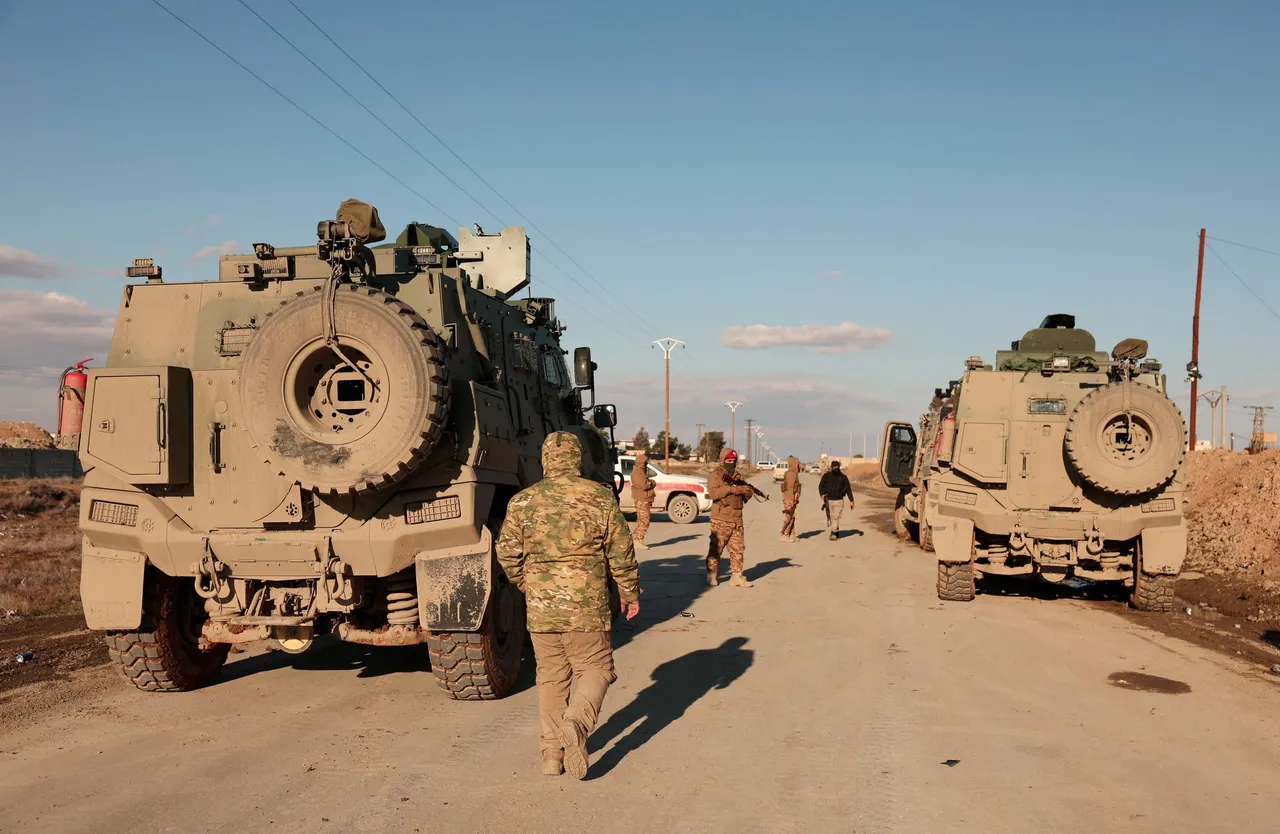
On January 19, clashes erupted around major prisons such as al-Shaddadi and al-Aqtan, with reports that the SDF released a number of ISIS prisoners and their families, and that hundreds more escaped during the fighting. The Syrian Interior Ministry accused the SDF of a “serious security violation” that threatens regional and international stability. The SDF withdrew its forces from al-Hol camp east of al-Hasakah without coordination, prompting the Syrian army to announce its readiness to take control of the camp and its refusal to allow the detainees to be used as a political bargaining chip.
Reports indicate that the US-led international coalition has assumed temporary oversight of al-Hol following the SDF’s withdrawal of security responsibilities, reflecting international intervention to prevent a security vacuum.
Internationally, the agreement reflects tacit US support, despite the absence of official reservations, as the risks of a previous security collapse outweigh the political risks of cooperating with Damascus.
Turkey and Iraq have also expressed satisfaction, as the agreement restructures security within the framework of the state, defines the influence of non-state actors, and indicates growing confidence in the competence of Syrian security forces, especially given Damascus’s commitment to coordinating with the coalition.
In conclusion, this agreement represents a turning point in Syria’s path toward unity and stability, despite current implementation challenges such as security breaches and clashes.
We in the Syrian Future Movement believe that its success requires:
- From international actors: Strengthening support for an independent UN judicial monitoring unit to oversee trials and treatment, in coordination with the anti-ISIS coalition, and funding the transitional government’s efforts to transcend national boundaries.
- From the Syrian government: Issuing a specific legislative decree for trial procedures, with guarantees of transparency and international compliance, along with rehabilitation programs for lower-risk detainees, drawing on past experiences.
- From the international coalition: Providing technical and logistical assistance to secure transportation, with a focus on preventing security collapse during the transitional phase.
- From academic and media research: Documenting the process as a case study of the transfer of security from factions to the state, focusing on the long-term humanitarian and geopolitical implications, as the Syrian experience serves as a model for similar conflicts.
Our generation will witness the rebuilding of our country brick by brick, making the Syrian experience a human one that will soon be studied in the fields of political science and philosophy.