

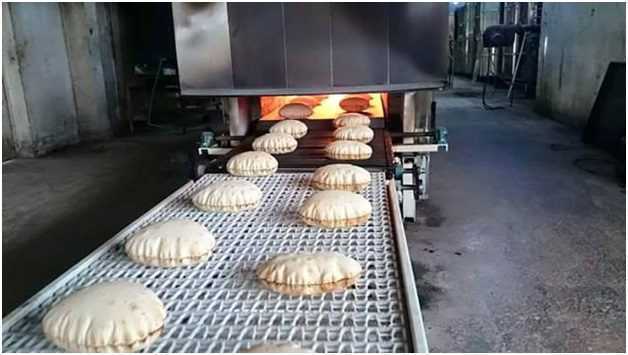
The Syrian Future Movement is following with great concern the developments related to the bread crisis in Idlib Governorate and its countryside, which reflects a clear administrative failure in implementing food support programs.
The Syrian Future Movement affirms its commitment to supporting the Syrian people in all regions and calls for fundamental solutions that guarantee human dignity and social stability, far from policies that exacerbate daily suffering.
The Syrian Future Movement notes that, starting on Thursday, January 1, 2026, Idlib Governorate and its countryside witnessed the implementation of a subsidized bread program, which set the price of a bundle of bread (10 loaves weighing 1200 grams) at 2500 Syrian pounds, compared to 4000 pounds previously. This program is supported by the Directorate of Internal Trade and Consumer Protection in Idlib, in cooperation with the United Nations World Food Programme (WFP), and with contributions from the Idlib Loyalty Campaign Fund.
The Syrian Future Movement explains that this program, which aims to alleviate the burden of living expenses amidst difficult economic conditions and the snowstorm that struck the region, led to an unprecedented surge in demand, resulting in the reappearance of long queues in front of bakeries for the first time in years, especially in the camps.
The Syrian Future Movement points out that the proposal to make Friday a mandatory holiday for bakeries (scheduled to begin on January 9, 2026, according to the approved schedule) exacerbated the congestion, as it prompted citizens to buy in advance in excessive quantities. This, in addition to the use of bread as animal feed due to its low price compared to hay, and insufficient distribution in some rural areas and camps, further compounded the problem. The Syrian Future Movement notes that despite subsequent efforts, such as the immediate directive issued by the Governor of Idlib, Mohammed Abdul Rahman, on January 1, 2026, to cancel the Friday holiday on January 2, 2026, to ensure the continued operation of bakeries, increase production capacity, and limit purchases to three bundles of bread per person, these measures were insufficient to eliminate the congestion, which residents described as “hunger queues.”
The Syrian Future Movement condemns this political and administrative failure, which leads to humiliating queues that waste citizens’ time and exacerbate their suffering during the winter months, especially given the harsh weather conditions and ongoing displacement.
The Syrian Future Movement holds Governor Mohammed Abdul Rahman fully responsible for this failure, due to the lack of adequate preparation for implementing the program and ensuring fair and regular distribution. This reflects a lack of strategic vision and coordination with humanitarian organizations.
The Syrian Future Movement calls upon the responsible authorities, including the Directorate of Internal Trade and the Governorate, to take immediate and urgent measures to address the situation by increasing the number of operating bakeries, developing a fair electronic distribution system based on cards or advance reservations, strengthening oversight to prevent waste, and expanding partnerships with international organizations to ensure full coverage of camps and rural areas.
The Syrian Future Movement urges a transparent field assessment of the program within the next week to avoid a recurrence of this crisis, which threatens food security and social stability.
The Syrian Future Movement affirms its solidarity with the people of Idlib and reiterates its commitment to working towards national reconciliation that guarantees a better future for all Syrians, free from administrative chaos and arbitrary decisions.