Early Life and Family Background:
Marie Colvin was born in Queens, New York City, and raised in East Norwich, Oyster Bay, Nassau County, Long Island.
Her father, William J. Colvin, was a World War II Marine Corps veteran who later worked as an English teacher in New York City public schools and was politically active with the Democratic Party in Nassau County.
Her mother, Rosemary Maron Colvin, was a high school guidance counselor in Long Island Public Schools.
She had two brothers, William and Michael, and two sisters, Elaine and Catherine.
Education and Academic Background:
She graduated from Oyster Bay High School in 1974, spending her senior year abroad on an exchange program with Brazil.
She later attended Yale University, where she was a pioneer in anthropology and studied under Pulitzer Prize-winning author John Hersey. She began her journalistic career writing for the local Yale Daily News before deciding to pursue journalism professionally.
She graduated in 1978 with a bachelor’s degree in anthropology.
Early Career and Journalistic Path
She worked briefly for a labor union in New York City before beginning her journalism career with United Press International (UPI) a year after graduating.
She worked in Trenton, New York, and Washington, D.C.
By 1984, she was appointed bureau chief for UPI in Paris before moving to the British newspaper, The Sunday Times, in 1985.
International War and Conflict Correspondent:
In 1986, she became The Sunday Times’ Middle East correspondent, and then its foreign affairs correspondent in 1995. That same year, she was the first journalist to interview the late Libyan leader Muammar Gaddafi after the El Dorado Canyon operation. Marie Colvin specialized in covering armed conflicts, reporting on wars and conflicts in the Middle East, Chechnya, Kosovo, Sierra Leone, Zimbabwe, Sri Lanka, and East Timor.
In East Timor in 1999, she helped save the lives of 1,500 women and children by refusing to leave a compound besieged by Indonesian-backed forces and remaining with a UN peacekeeping force, thus cementing her international media presence.
Awards and Documentaries:
She won the International Women’s Media Foundation’s Courage in Journalism Award for her coverage of events in Kosovo and Chechnya.
She wrote and produced several documentaries, most notably “Arafat: Beyond the Myth” for the BBC, and appeared in the 2005 documentary “Bearing Witness.”
Injury, Loss of an Eye, and Witnessing War Crimes:
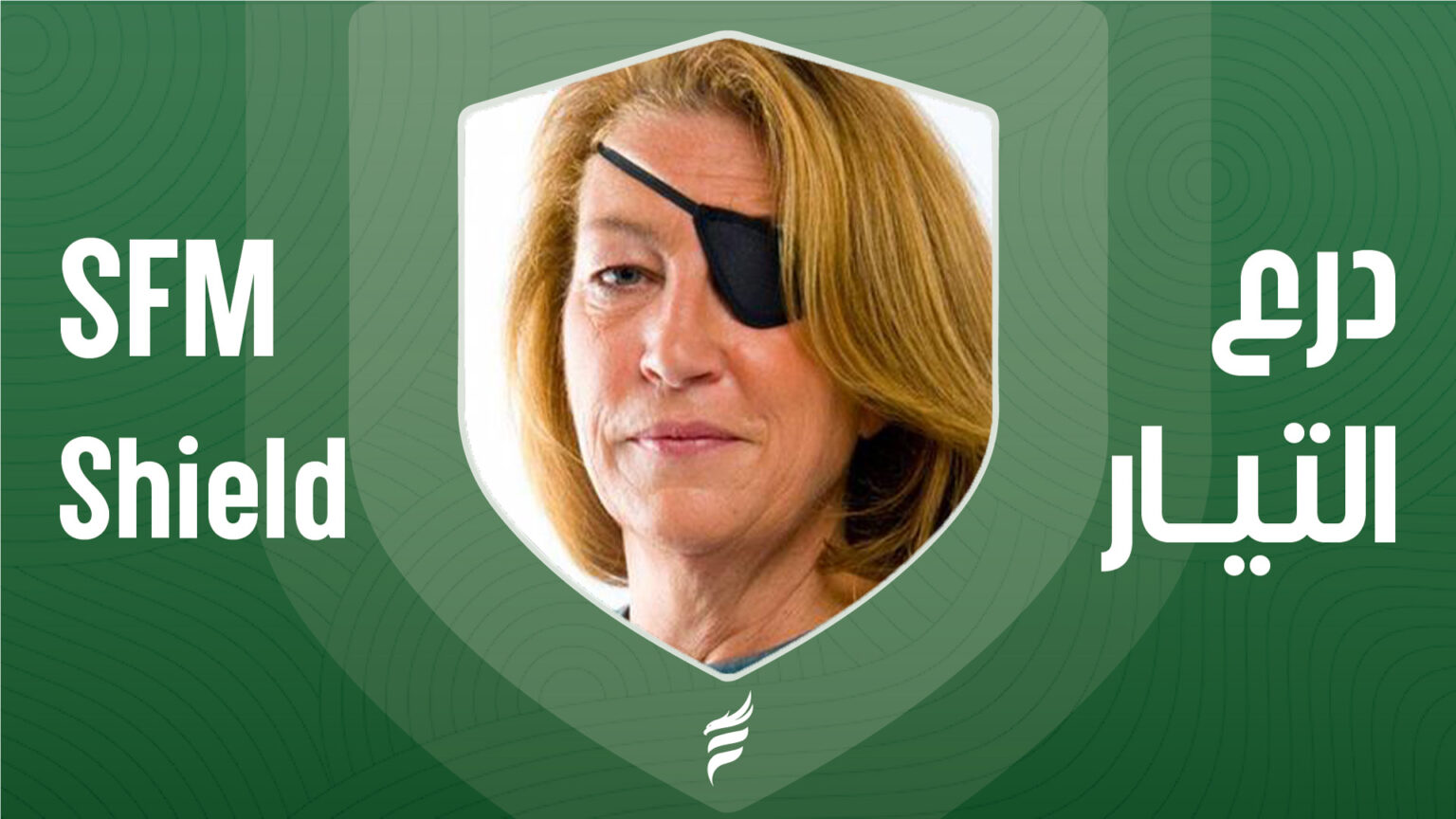
On April 16, 2001, she lost her left eye when a grenade fired by the Sri Lankan army exploded as she was crossing between areas controlled by the Tamil Tigers and the government. Despite wearing a press vest, she was repeatedly targeted.
She later suffered from post-traumatic stress disorder and was hospitalized for treatment. She also served as a witness and mediator during the final days of the war in Sri Lanka, reporting on war crimes committed against the Tamils.
The Arab Spring and a Return to the Spotlight:
In 2011, during the Arab Spring uprisings in Tunisia, Egypt, and Libya, she had a second opportunity to interview Muammar Gaddafi.
She was married twice, first to journalist Patrick Bishop, a marriage that ended in divorce, and then to Bolivian journalist Juan Carlos Gomusio, a correspondent for El País in Beirut during the Lebanese Civil War, who later committed suicide.
Entering Syria and Covering the Syrian Revolution:
In February 2012, Marie Colvin entered Syria on a motorcycle, defying the regime’s attempts to prevent foreign journalists from entering the country.
She was based in the western Baba Amr neighborhood of Homs.
On the evening of February 21, she conducted a live satellite phone broadcast for the BBC, Channel 4, CNN, and ITN.
She described the bombardment as brutal, speaking about snipers targeting civilian buildings and the deliberate killing of civilians in the streets of Homs.
In her interview with Anderson Cooper, she described the bombardment of Homs as the worst conflict she had faced in her professional life.
The Assassination and the Uncovering of the Crime:
On February 22, 2012, Marie Colvin was killed along with photojournalist Rémi Ochlik.
The regime claimed that their deaths were caused by an improvised explosive device, but this account was refuted by photographer Paul Conroy, who survived the attack.
Conroy confirmed that Syrian artillery fire directly targeted the media center.
Journalist Jean-Pierre Perrin and other sources also reported that the building was deliberately targeted after satellite phone signals were traced.
Her belongings were recovered, including a backpack and a 387-page manuscript.
Funeral, Tribute, and Justice:
The people of Homs held a public mourning ceremony on the evening of her death.
Her funeral was held in Oyster Bay, New York City, on March 12, 2012, attended by approximately 300 people.
Her body was cremated, and half of her ashes were scattered off Long Island, while the other half was dispersed in the River Thames near her home.
In July 2016, her sister, Cat Colvin, filed a civil lawsuit against the former regime.
In January 2019, a court ruled that the Syrian government was responsible for her assassination and ordered it to pay $300 million in punitive damages.
The ruling affirmed that Colvin was targeted because of her profession, with the aim of silencing journalists and exposing the regime’s crimes.
Marie Colvin in Cinema:
In 2018, the film Private War, directed by Matthew Heineman and starring Rosamund Pike, was released, based on a Vanity Fair article about Marie Colvin’s life.
Honoring the Syrian Future Movement:
Based on the Syrian Future Movement’s belief in the role of the Syrian people’s friends among the free people of the world, and in the pioneering role of women in confronting tyranny and extremism,
the Movement announces the honoring of American journalist Marie Colvin as part of its series on figures who supported the Syrian revolution.
This honor is bestowed upon her by awarding her the Movement’s symbolic shield in recognition of her courage and struggle for freedom and humanity, and her sincere support for the revolution of our Syrian people.