Today, November 18, 2026, the world celebrates the “International Day of Islamic Art,” declared by the General Conference of the United Nations Educational, Scientific and Cultural Organization (UNESCO) at its 40th session in 2019. This day recognizes the rich artistic and cultural contributions of Islamic art to enriching global human heritage and promoting the values of dialogue and cultural exchange among peoples and civilizations.
This occasion holds special national significance in Syria, whose major cities witnessed the emergence and development of Islamic art and architecture throughout the centuries.
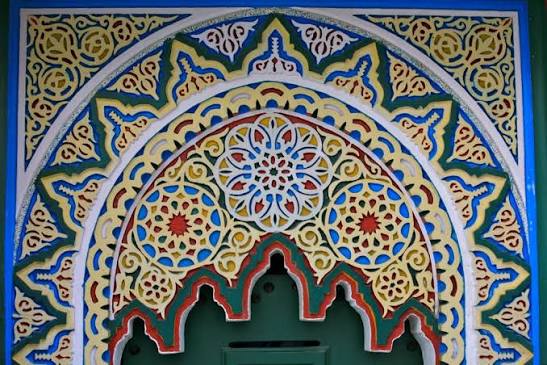
The Syrian Future Movement believes that Syria is an open-air museum of masterpieces of Islamic art and architecture, from the Great Umayyad Mosque in Damascus with its unique mosaics, to the Great Mosque of Aleppo, the Nur al-Din and Ayyubid madrasas, hospitals, caravanserais, and covered markets, all the way to the arts of Arabic calligraphy, geometric and floral ornamentation, tilework, and the authentic Damascene and Aleppo crafts.
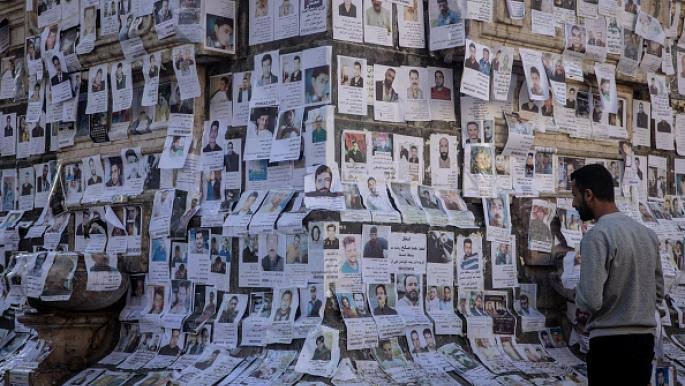
However, reports from UNESCO and cultural heritage bodies document the extensive damage inflicted on this heritage during the years of conflict. Vast swathes of the historic urban fabric in the ancient cities of Aleppo and Damascus, Homs, and Hama were damaged, and hundreds of manuscripts, artifacts, and architectural decorations were destroyed, looted, or trafficked illegally. Traditional crafts associated with this art also faced the threat of extinction due to the emigration of artisans and a decline in support.
The Syrian Future Movement believes that Islamic art in Syria was never an isolated art form, but rather the product of a creative cultural interaction that absorbed the ancient Syrian heritage (Aramaic and Byzantine) and developed it with an aesthetic and humanistic spirit. This art was shaped by Syrians of all faiths and backgrounds, becoming a unifying architectural and aesthetic identity for all Syrians.
We in the Syrian Future Movement believe that protecting and reviving artistic and architectural heritage during this transitional phase is a strategic investment in strengthening national identity, restoring the country’s cultural identity, and transforming cultural heritage into a driver of sustainable economic and tourism development befitting Syria’s stature and history.
Based on our national responsibility and recognizing the importance of preserving Syrian cultural identity during this transitional phase, the Syrian Future Movement proposes the following recommendations:
- Adherence to scientific standards in the restoration of historical cities and monuments: Adopting precise international restoration methodologies under the supervision of specialized archaeologists, architects, and UNESCO, and preventing any haphazard or distorted reconstruction that alters the original architectural identity of Old Aleppo, Old Damascus, and all other Syrian cities.
- Protecting traditional crafts and handicrafts from extinction: Launching support and funding programs and vocational training institutes to revive traditional Syrian crafts (such as Arabic calligraphy, ornamentation, mosaics, wood and copper engraving, and brocade), and transferring the expertise of master craftsmen to younger generations.
- Digitizing Manuscripts and Art Collections and Documenting Heritage: Establishing a comprehensive national digital archive that documents archaeological sites, decorations, and rare Islamic manuscripts in Syrian libraries and museums, protecting them from loss and making them accessible to researchers and scholars worldwide.
- Pursuing International Networks to Recover Looted Artifacts and Manuscripts: Activating legal and diplomatic cooperation with international organizations and museums worldwide to recover smuggled Syrian artifacts and manuscripts and return them to their rightful place.
- Integrating Visual Culture and Heritage Arts into Education and Media: Incorporating the history of Syrian art and architecture into educational curricula and organizing local and international cultural exhibitions and events that showcase Syria’s civilized and aesthetic face, far removed from images of war and destruction.
- Utilizing Architectural Heritage in Sustainable Tourism Development: Developing future plans to rehabilitate traditional Damascene and Aleppo caravanserais and houses, transforming them into cultural and artistic centers and destinations for cultural tourism, thereby creating job opportunities and supporting the national economy.