
Introduction:
Syrian airspace (Damascus FIR – ICAO: OSTT) is one of the most important strategic air corridors in West Asia, thanks to its geographical location which makes it a natural crossroads between the shortest air routes connecting Western and Northern Europe with South and East Asia, and the Arabian Gulf region with North Africa and Eastern Europe.
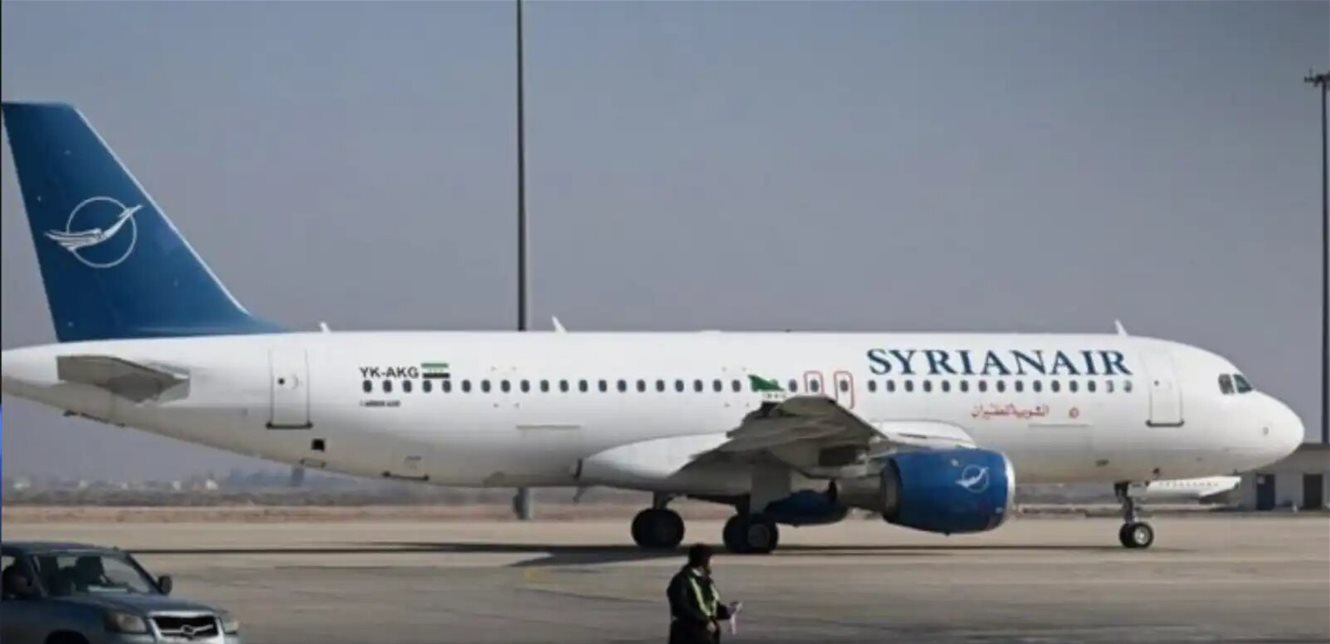
On March 3, 2026, the Syrian Civil Aviation Authority announced the reopening of air corridors in the northern sector towards the Republic of Turkey, with the resumption of civil aviation at Aleppo International Airport starting at 00:00 on March 4, 2026. Damascus International Airport and the remaining sectors of Syrian airspace remained closed until further notice.
This decision came after a period of complete or near-complete closure that began in late February 2026, as a result of the military escalation in the region, which led to the closure or restriction of airspace in several neighboring countries and the cancellation or postponement of thousands of flights within a few days.
The Sovereign and Strategic Assets of Syrian Air Corridors:
Syrian airspace is subject to the principle of full and exclusive air sovereignty, as stipulated in Article 1 of the Chicago Convention on International Civil Aviation (1944). This principle grants each state the exclusive right to regulate the use of its airspace, including granting or denying overflight rights, imposing overflight fees, issuing Notices to Airmen (NOTAMs), and determining safety procedures.
Syrian airspace derives its strategic importance from its location along the shortest air routes between Europe and South Asia. Before the years of the revolution, it was a regular part of NAT Tracks and Blue Sky Routes, preferred by major airlines to reduce flight distance and fuel consumption.
The closure or restriction of neighboring airspaces (particularly in Iran and Iraq) has led to what is known as “airspace compression,” forcing civil aviation to rely on narrower and more congested alternative routes. This increases the risk of interference between civilian traffic and military operations and compels Syrian authorities to carefully assess the balance between safety requirements and the need to maintain a minimum level of air connectivity.
Economic Dimensions:
Overflight charges constitute a relatively important source of revenue for countries located on busy international air corridors, according to the International Civil Aviation Organization’s (ICAO) air navigation services pricing model.
Before the outbreak of the Syrian revolution, these charges represented a significant annual revenue stream for the public treasury. However, the years of conflict led to a sharp decline in the volume of civilian air traffic and, consequently, a substantial drop in revenue.
In the current context, the reopening of the northern sector – even partially – contributes to alleviating some of the economic pressure on the Syrian aviation sector, especially given the difficult economic conditions the country is experiencing.
On the other hand, recent regional crises demonstrate that the closure of major air corridors increases operating costs for airlines (fuel consumption increases of 10-20% on diverted flights), making any relatively open corridor of immediate economic value for both carriers and the host country.
Impact of Air Traffic Disruption Amid Military Escalation:
The recent military escalation has led to a number of overlapping impacts, including:
A significant increase in operating costs due to flight rerouting, adding extra flight hours and directly increasing fuel costs.
Increased air safety risks due to the potential for overlap between military operations and civilian traffic, including the risks of GPS misinterpretation or unintentional approaches to areas of military operations.
Airlines being forced to cancel or postpone numerous flights, impacting international and humanitarian supply chains and travel.
Therefore, the Syrian authorities’ decision to reopen only the northern sector appears to reflect an attempt to balance safety requirements (keeping the south closed due to its proximity to more sensitive escalation zones) with the need to maintain a minimum level of air connectivity, especially for Aleppo, a vital economic and humanitarian hub.
Looking Ahead and Recommendations:
In the near term, the situation is expected to remain volatile as long as the military escalation continues, potentially leading to further restrictions or temporary closures.
In the medium term (2026-2028), any relative stability in the region could allow Syrian airspace to regain some of its historical role as an effective transit corridor, provided that infrastructure is improved and monitoring and safety systems are strengthened.
Therefore, we in the Syrian Future Movement recommend the following:
- Strengthening immediate coordination with the International Civil Aviation Organization (ICAO) and neighboring countries (particularly Turkey and Jordan) to ensure the issuance of accurate and up-to-date notices regarding areas of risk, along with the exchange of real-time aerial intelligence.
- Working to establish deconfliction mechanisms between civilian traffic and military operations, including improving radar systems, surveillance, and direct communication between relevant parties.
- Supporting the rehabilitation of air infrastructure (Aleppo and Damascus airports and control towers) through international technical and financial partnerships, with a focus on raising safety standards and capacity.
- Encouraging airlines – in cooperation with IATA – to diversify long-haul routes to reduce reliance on a single, vulnerable corridor, while maintaining the Syrian corridor as a competitive alternative when adequate safety conditions are met.
References:
- Flightradar24 Blog – Live Reports on Middle East Airspace Closures (March 2026)
- OPSGROUP – Current Operational Status of Middle East Airspace (March 2026)
- International Air Transport Association (IATA) – Annual Report 2025
- Safe Airspace – Air Risk Summary (March 2026)