
Introduction:
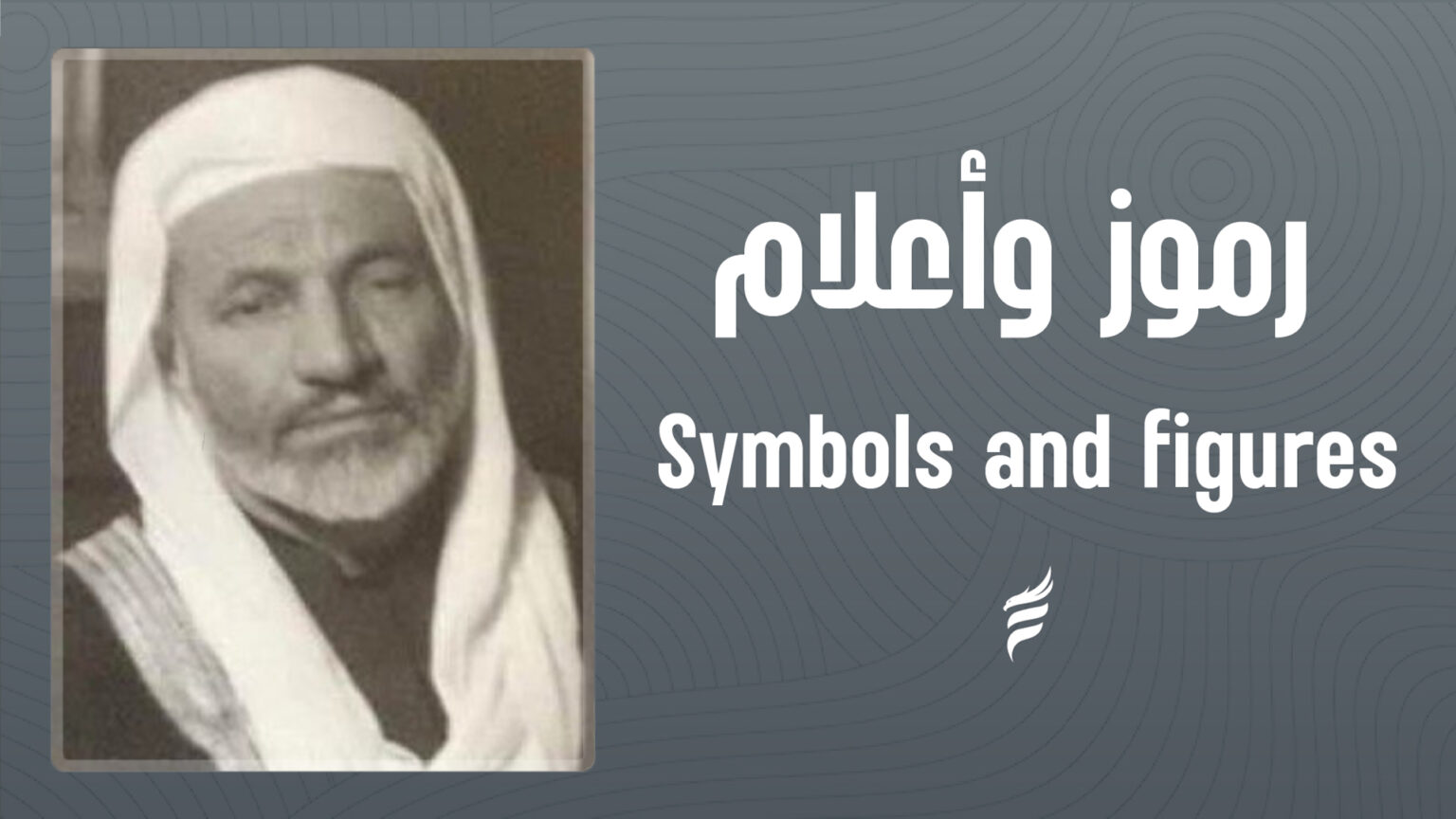
In the annals of the modern Syrian state, the name of Sheikh Muhammad al-Ashmar stands out as a model embodying both sincere piety and national action. He was not merely a field commander in the revolution, but a reformist figure with profound social and religious influence. He contributed to solidifying the values of resistance and discipline, linking jihad with morality, and strength with justice.
First: Early Life and Upbringing
He was Muhammad ibn Taha ibn Muhammad al-Ashmar, born in 1892 in the al-Midan neighborhood of Damascus. His family originated from the village of Sijar near Hama. He grew up in an environment that blended rural and urban life. He moved to al-Ghariya al-Sharqiya in Hauran, where he received his early education in traditional schools (kuttabs) and acquired the horsemanship skills that would later become evident in his jihadist career.
He followed the path of Sufism, specifically the Naqshbandi order, and became a close associate of Sheikh Amin al-Zamalkani al-Kurdi. He then connected with the scholars of Damascus, studying Hadith under Sheikh Badr al-Din al-Hasani and Islamic jurisprudence under Sheikh Abdul Qadir al-Shammout for twelve years, which laid the foundation for his scholarly and missionary character.
Secondly: His Role in Liberation from Ottoman Rule and the Beginnings of the Resistance
When the forces of the Great Arab Revolt entered Damascus on September 30, 1918, he was among those who welcomed them, expressing his aspiration to liberate the country from Ottoman control. He then participated in the Battle of Maysalun. After the French occupation of Syria, he began reorganizing the resistance efforts, particularly in Damascus and its surrounding Ghouta region.
Thirdly: His Leadership of the Great Syrian Revolt
Between 1925 and 1927, he emerged as one of the most prominent leaders of the revolution in the Ghouta region, where his sheikh, Badr al-Din al-Hasani, tasked him with unifying the ranks of the revolutionaries, regulating their conduct, and preventing attacks on civilians.
He led several important battles, including:
- Breaking the siege of Jabal al-Druze at al-Musayfirah
- The Battle of Yalda
- The Battle of Bustan Bakir
- The Battle of Bustan al-Bunduqah
- The Battle of the Minaret of al-Shahm
- The Battle of the Tura Bridge
- The Battle of the al-Midan Neighborhood
He also employed guerrilla warfare tactics, targeting railway lines, cutting communications, and pursuing spies, which confused the French forces.
Fourth: Refuge and Reorganization
After the French tightened their siege on the Ghouta, he sought refuge in Hauran, then in the Azraq Oasis after a military operation targeting him. He later moved to Jordan, where King Abdullah allowed him to reside in Na’ur. There, he reorganized a military force of approximately 600 fighters, whose operations were launched from Daraa.
Fifth: His Return to Damascus and Reform Work
He returned to Damascus in 1931 after being pardoned and dedicated his efforts to social reform, promoting virtue and vice, reconciling differences among the people, and reviving the spirit of sacrifice among the youth. He opposed the religious sects law that the French authorities attempted to pass, and led popular demonstrations that resulted in its repeal. He also confronted the manifestations of moral decay that he saw as threatening societal values, making him an influential figure in Damascus.
Sixth: His Stance on Authority and Prioritizing the Public Interest
In 1944, an arrest warrant was issued against him, but he voluntarily complied after being informed that it was intended to prevent internal strife that France would exploit. He went to Arwad Island without resistance, a stance that reflects his prioritizing the public interest over personal considerations.
Seventh: His Participation in the Palestinian Jihad
He participated in the 1936 Palestinian Revolt, leading the Syrian detachment in the Tulkarm region. He fought in prominent battles such as those at Bal’a, Jaba’, and Beit Imrin, as part of Fawzi al-Qawuqji’s forces, before returning to Syria after the general strike ended.
Eighth: His Role in Protecting Damascus in 1945
When the French bombarded Damascus, he contributed to organizing the popular defense, maintaining security, preventing chaos and looting, and deploying fighters to protect the city in the virtual absence of state institutions.
Ninth: His Final Years and Recognition
He continued his religious and social work, remaining aloof from political positions. He visited several countries, including China and the Soviet Union, where he was awarded the Stalin Peace Prize in 1955. He passed away in Damascus on March 3, 1960, and a mosque was erected in his name in the Zahra neighborhood to commemorate him.
Tenth: Testimonies of His Contemporaries
Sheikh Ali al-Tantawi described him as one of the sincere fighters who made sacrifices without receiving their due recognition after independence. Sheikh Mustafa al-Siba’i eulogized him as a model of a courageous and devout fighter who combined bravery with piety.
Conclusion
Sheikh Muhammad al-Ashmar represents a complete model of the patriotic and dedicated man, who combined knowledge with action, piety with national commitment, without seeking position or personal gain. He contributed to building a spirit of morally disciplined resistance and solidified the concept of jihad linked to justice and the protection of society.
We in the Syrian Future Movement affirm that commemorating this figure today is not merely a historical remembrance, but rather a reaffirmation of the values of balance between power and responsibility, and between religion and state—values that Syria needs on its path toward building a modern state based on citizenship, justice, and the rule of law.