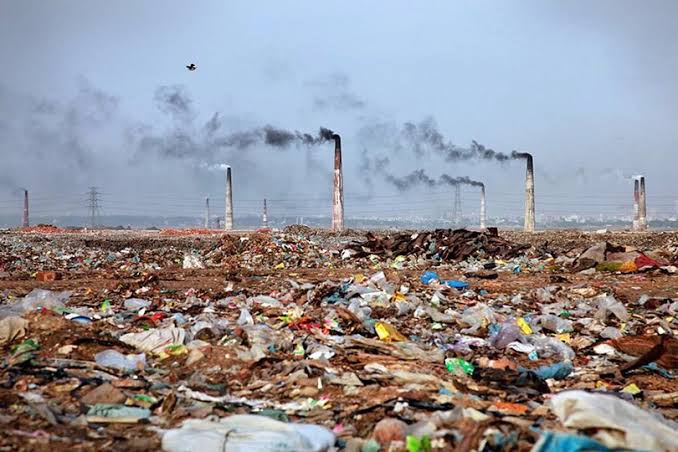
The Syrian Future Movement welcomes the release on Sunday, March 29, 2026, of the final report by the Ministry of Local Administration and Environment assessing the damage to infrastructure in Aleppo Governorate, in cooperation with the United Nations Human Settlements Programme (UN-Habitat). The report includes detailed maps illustrating the extensive damage to road, electricity, water, sanitation, and telecommunications networks, as well as the distribution of administrative units and the locations of rubble dumps, and highlights the economic losses resulting from years of armed conflict.
The Syrian Future Movement appreciates this professional and institutional step, which provides an accurate and up-to-date digital database. This database will help prioritize interventions in vital service sectors and support the development of realistic national plans for recovery and reconstruction. We believe that such transparent reports represent a necessary scientific foundation for managing the transitional phase and align with what the Syrian Future Movement previously published on its official website in the report “Reconstruction Priorities in Syria” (published on December 19, 2024), where we emphasized the importance of systematically assessing damage as a first step towards building a modern state.
The Syrian Future Movement affirms that Aleppo, which has suffered extensive damage to its infrastructure in recent years, requires a comprehensive national effort to translate this data into tangible, implementable projects. This report aligns with the widespread sentiment expressed by activists on social media, as we have observed, who have consistently called for a transparent and scientific assessment of the damage as a prerequisite for a just and sustainable reconstruction, free from improvisation or political exploitation.
The Syrian Future Movement emphasizes that the success of reconstruction hinges on linking technical reports to clear implementation mechanisms, while ensuring the participation of the local community and civil society. This is crucial for fostering trust between citizens and institutions during this sensitive phase of political transition.
Based on its national vision, the Syrian Future Movement recommends the following:
- Transforming the final report into a detailed national action plan, outlining specific timelines and budgets. This plan should include clear priorities for repairing Aleppo’s water, electricity, road, and sanitation networks, with sufficient resources allocated and transparent monitoring mechanisms in place.
- Strengthening the partnership between the Ministry of Local Administration and Environment, civil society, and the local private sector, while involving Aleppo’s residents and community leaders in the planning and implementation processes to guarantee equitable interventions.
- Linking the report’s findings to programs for the safe and dignified return of displaced persons, through the rehabilitation of affected areas and the provision of basic services as a fundamental condition for community stability.
- Developing a unified national database encompassing all governorates, leveraging the experience of collaborating with UN-Habitat, with a focus on building sustainable local capacities in urban planning and debris management.
The Syrian Future Movement affirms that the Aleppo Damage Assessment Report represents a genuine opportunity to move towards the future of Syria, a Syria that rebuilds its infrastructure on scientific and transparent foundations, places its citizens at the heart of the recovery process, and establishes a state based on the rule of law, social justice, and equal citizenship.