
Today, the world celebrates World Wetlands Day, an official international occasion recognized by the United Nations General Assembly in its resolution A/RES/75/317 of 30 August 2021. This day is closely linked to the Ramsar Convention, signed on 2 February 1971 in the Iranian city of Ramsar, the first international treaty dedicated to the protection and sustainable use of wetlands.
Today, the Ramsar system encompasses more than 2,500 sites in 172 countries, covering a total area of over 2.6 million square kilometers, making it one of the world’s largest protected areas.
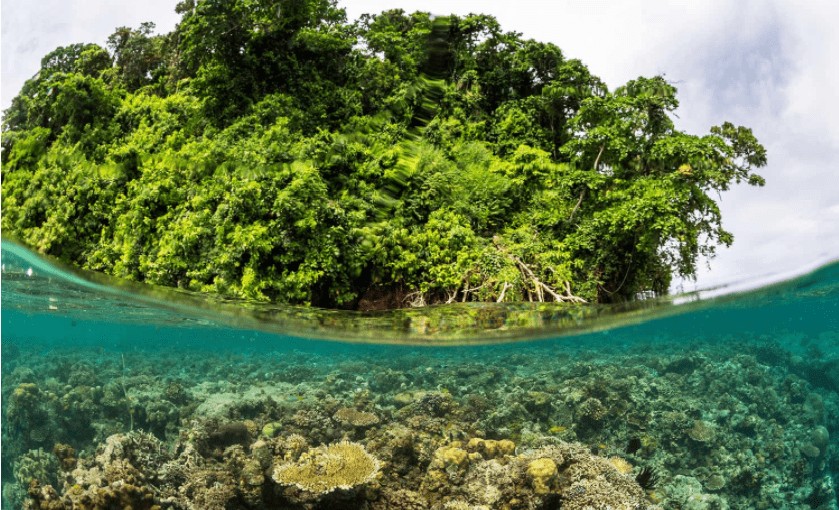
The Syrian Future Movement affirms that this day aims to raise global awareness of the importance of wetlands—marshes, rivers, lakes, salt flats, and coastal areas—as vital ecosystems that provide indispensable environmental services: purifying water from pollutants, storing carbon and mitigating the effects of climate change, supporting biodiversity (hosting more than 40% of known species), and protecting coastal communities from storms and floods (protecting approximately 60% of the world’s coastal population from extreme weather risks).
The 2026 theme focuses on “Wetlands and Traditional Knowledge: Celebrating Cultural Heritage,” calling for recognition of the wisdom accumulated across generations in managing these resources sustainably.
The Syrian Future Movement views this day as a strategic national opportunity to link environmental conservation with reconstruction, social stability, and sustainable development. Syria boasts a rich heritage of wetlands, most notably its only currently listed Ramsar site: the Jabboul Salt Flat (10,000 hectares near Aleppo). This area is of international importance for migratory and resident birds and a traditional source of livelihood for local communities through agriculture, grazing, and sustainable fishing. Syria also includes other important wetland systems such as the Euphrates River Delta, Lake Euphrates (formerly Lake Assad), and parts of the Syrian coast. However, these sites have suffered severe degradation due to chronic drought (the worst in decades, according to the FAO’s 2025–2026 report), a drop in the Euphrates River’s water level exceeding 50% at times, accelerated desertification, accumulated industrial and agricultural pollution, and systematic environmental neglect during decades of conflict.
The Syrian Future Movement believes that the political transition and reconstruction phase represents a historic opportunity to rehabilitate these systems and transform them from a source of threat (such as uncontrolled flooding or increasing salinity) into a driver of food security, ecotourism, and the green economy.
Therefore, the Syrian Future Movement proposes a set of practical initiatives that connect the values of World Wetlands Day to the Syrian reality:
A national campaign, “Our Wet Heritage – Our Green Future,” will integrate interactive educational materials about wetlands into school and university curricula. This will be accompanied by the launch of a free national application offering 3D virtual tours of the Jabboul Salt Flat and the Euphrates Delta, featuring stories and testimonies from elders about traditional knowledge of water management and agriculture. The goal is to build environmental awareness among a generation that fosters a shared sense of belonging to the land.
A national program, “Reviving Salt Flats and Rivers,” will be implemented in partnership with the Ramsar Convention, the United Nations Environment Programme, and international donor organizations. The project will prioritize the restoration of the Jabboul Salt Flat and then expand the model to other areas (the Euphrates Delta and the coast). The project includes redirecting agricultural drainage water, establishing buffer zones to prevent desertification, and training local communities in improved traditional irrigation techniques (such as traditional irrigation canals and water barriers). The project is expected to generate thousands of seasonal and permanent jobs in ecotourism and sustainable agriculture.
The “Syrian Wetlands Heritage Days” Festival:
An annual festival bringing together scientists, artists, poets, and artisans from across Syria to showcase the cultural heritage associated with wetlands (river songs, handicrafts made from reeds and clay, and traditional medicine related to aquatic plants).
The festival is held in a central location (such as Aleppo or Deir ez-Zor) with on-site activities within the salt marsh itself, becoming a symbol of national unity through shared environmental heritage.
The “Green Syria 2035” National Policy Framework:
Integrating the principles of wetland protection into the national reconstruction strategy, including:
- Establishing an interconnected network of wetland reserves linking the north, east, and coast.
- Adopting a digital environmental monitoring system (remote sensing and field stations) to track water levels and salinity.
- Establishing a national wetland fund, partially financed by ecotourism revenues and international aid.
- Enacting legislation to protect wetlands from unsustainable exploitation and penalize industrial pollution.
The Syrian Future Movement calls upon all Syrians – from all provinces and affiliations – to participate in these efforts, because protecting every drop of water and every inch of wetland is not merely an environmental issue, but rather an integral part of the dignity of the Syrian people and their right to a secure and prosperous future.
We also believe that in the new Syria, every marsh and every river can become a testament to our ability to rise from the ashes, and proof that national unity begins with respect for the land we share.