Introduction:
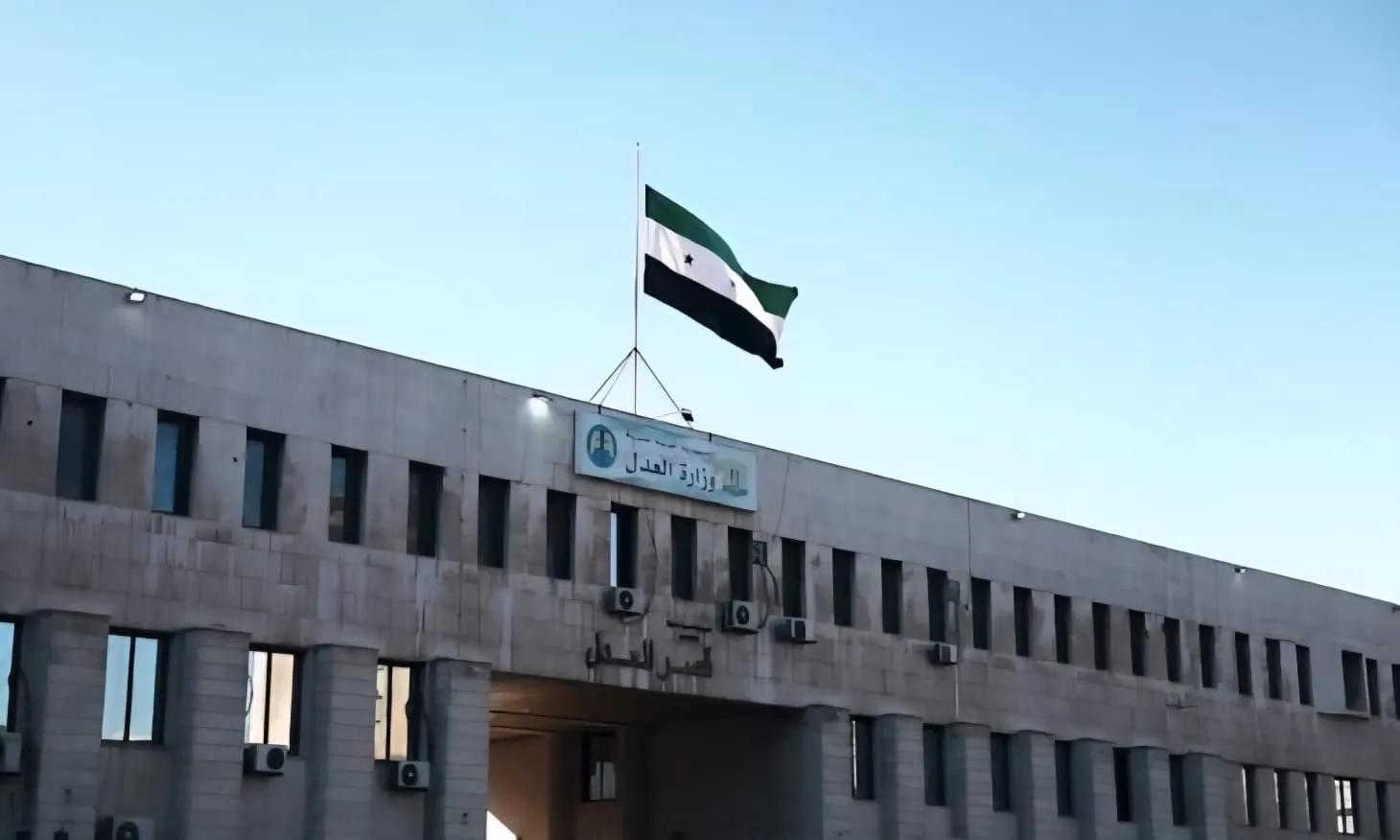
On December 16, 2025, the Syrian Ministry of Justice issued a decree merging the Customs Courts, Customs Appeals Courts, and Customs Enforcement Departments in all governorates with their counterparts in the Damascus Courthouse, in accordance with the provisions of the Judicial Authority Law No. 98 of 1961 and its amendments.
The decree stipulates the transfer of all cases and files to Damascus, tasking the merged courts with delivering them according to detailed lists and official records. It also places the judges of the customs courts in the governorates at the disposal of the Ministry for inclusion in future judicial appointments.
This decree comes within the context of the judicial and administrative reforms that Syria has been undergoing since the political changes of December 2024, which aim to rebuild state institutions during a critical transitional phase.
The decree reflects a trend toward strengthening centralization in certain specialized judicial aspects, at a time when issues of administrative and political decentralization are being discussed as part of building a unified and effective state. This paper aims to provide an objective analysis of the decision, reviewing its advantages and disadvantages and its impact on the current situation in Syria. It also proposes recommendations to mitigate the negative aspects and enhance the positive ones. The paper employs a descriptive analytical approach, drawing on legal texts, official reports, and studies related to judicial reforms in transitional contexts.
Historical and Legal Background of the Decision:
The organization of the judiciary in Syria dates back to Legislative Decree No. 98 of 1961, which defines the Ministry of Justice’s powers to supervise judicial departments, regulate their administrative operations, and govern their interrelationships.
The law grants the Ministry broad powers to restructure specialized courts, including customs courts, for reasons related to administrative efficiency and standardization.
Prior to 2024, customs courts were distributed across the governorates, reflecting a pattern of limited administrative decentralization.
However, the conflict between the former regime and the Syrian people disrupted many of these courts, particularly in affected areas. Following the political changes and the fall of Assad, Syria witnessed further judicial reforms, such as the abolition of exceptional courts in December 2015, as part of the transitional justice process.
The decision to consolidate the courts is an extension of these reforms, aiming to reactivate the Central Customs Court in Damascus, as previously announced in October 2015.
Expected benefits of the decision:
The decision offers several potential benefits, particularly in the context of state-building:
- Unifying judicial standards and enhancing efficiency: The consolidation contributes to standardizing the legal application of customs cases, reducing regional discrepancies that may arise from varying local interpretations. In transitional states, consolidation is a step towards building a unified and effective judiciary, as seen in the experiences of other countries such as Egypt or France, where specialized courts are concentrated in the capital.
- Combating corruption and manipulation: Regional courts were susceptible to local influences, especially in smuggling and customs cases. Concentrating the courts in Damascus strengthens central oversight, reducing opportunities for corruption and improving transparency.
- Resource Efficiency: Amid economic challenges, the merger allows for the concentration of specialized judges and administrative resources in one center, saving costs and improving performance, especially given the staffing shortages in remote governorates.
- Supporting Economic Reforms: The decision comes at a time when Syria is seeking to attract investment following the lifting of sanctions. An efficient customs judiciary contributes to facilitating trade and combating smuggling.
Potential Drawbacks and Risks: Despite the advantages, the decision raises legitimate concerns:
- Reinforcing Excessive Centralization: In a multi-ethnic Syria, the merger may be seen as a retreat from the desired administrative decentralization, reinforcing a sense of marginalization in remote governorates such as Hasakah or Daraa.
- Difficulty Accessing Justice: Transferring cases requires travel to Damascus, increasing costs and effort for citizens, especially given the weak infrastructure, and violating the principle of equal access to justice (Article 14 of the International Covenant on Civil and Political Rights).
- Overcrowded Courts and Procedure Delays: Transferring thousands of cases could lead to overcrowding in Damascus, prolonging proceedings rather than expediting them.
- Impact on Transitional Justice: In a transitional phase, centralization may be interpreted as a continuation of previous central control, hindering trust-building.
Conclusion:
In the post-2024 Syrian context, this decision aligns with efforts to unify institutions following fragmentation.
Positively, it supports economic and judicial stability.
Negatively, it may exacerbate regional tensions given the demands for decentralization from some groups.
Overall, it reflects a balance between centralized efficiency and the need for accessible justice.
To mitigate the negatives and maximize the positives, the Syrian Future Movement recommends the following:
- Developing e-litigation by establishing digital platforms for filing lawsuits and conducting remote hearings.
- Establishing a limited number of regional branches and allowing branches in key governorates for preliminary procedures.
- Strengthening staffing levels, training additional judges, and recruiting specialists.
- Monitoring and evaluation through the formation of an independent committee to assess the impact after one year.
- Linking the decision to broader decentralization reforms, including administrative decentralization.
The decision to merge the customs courts represents a logical administrative step toward efficiency, but it requires a balance with the principles of access to justice and decentralization. In the new Syria, it could be a successful model if accompanied by comprehensive technological reforms, contributing to the establishment of a fair and effective judicial system.
References:
- Syrian Ministry of Justice. (2025). Decision to merge customs courts. Available at: sana.sy and syria.tv.
- Legislative Decree No. 98 of 1961 (Judicial Authority Law) and its amendments. Available at: parliament.gov.sy.
- Syrian Network for Human Rights. (2025). Reports on Transitional Justice.
- Carnegie Endowment for International Peace. (2025). Reports on Governance in Post-Assad Syria.
- Al Jazeera Net and other media reports on judicial reforms in 2025.