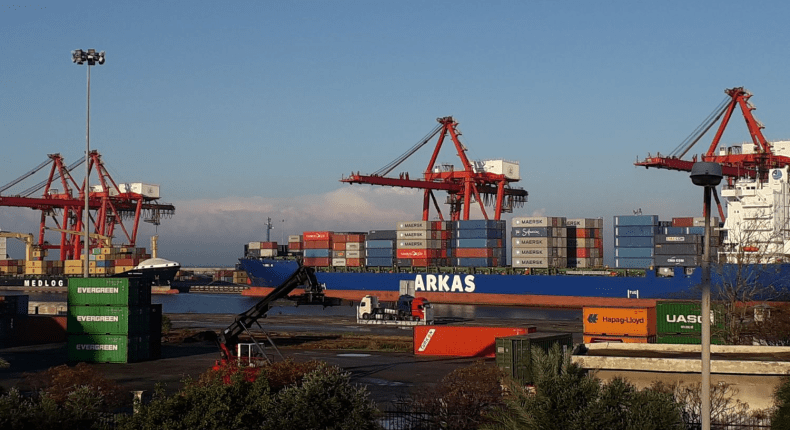
The Syrian Future Movement, as a national entity committed to building a sustainable and transparent Syrian economy, is closely following the decision by the Syrian General Authority for Ports and Customs to amend the handling fees for containers at the ports of Latakia and Tartous, effective February 1, 2026.
The Syrian Future Movement, while supporting the necessary administrative reforms during the transitional phase, affirms that regulating customs tariffs and defining the responsibility for collecting fees represents a positive step towards improving operational efficiency at the ports, which are a vital artery for Syrian foreign trade.
However, the Syrian Future Movement emphasizes the necessity of accompanying this amendment with thorough studies of its potential impact on import costs, especially given the fragile economy suffering from a liquidity shortage and high inflation.
Committed to protecting the supreme national interest, the Syrian Future Movement warns against any ill-considered increase in fees that could lead to higher prices for imported basic commodities, further burdening citizens, more than 90% of whom live in poverty. The Syrian Future Movement also calls for strengthening oversight mechanisms for the quality of imported goods to prevent the entry of substandard or unfit materials, and rejects any commercial exploitation that depletes foreign currency reserves without any real developmental return.
In its fight against entrenched corruption, the Syrian Future Movement emphasizes the importance of ensuring full transparency in the implementation of this decision, including the public publication of the revised tariff schedules and the activation of effective accountability mechanisms to prevent the detention of containers or the imposition of arbitrary fines.
The Syrian Future Movement stresses the necessity for administrative rotations in ports to be based on merit and integrity, free from any sectarian or regional considerations.
The Syrian Future Movement believes that the success of such reforms depends on linking them to a comprehensive national plan that includes modernizing port infrastructure, developing the land transport fleet, and attracting reliable foreign investment.
Looking ahead, the Syrian Future Movement believes that transforming the ports of Latakia and Tartous into regional logistics hubs requires policies that encourage exports and reduce operating costs, thereby contributing to economic growth and the creation of sustainable job opportunities.
The Syrian Future Movement welcomes this decision as part of the administrative reform process, provided that it is implemented in a way that serves the public interest and protects the purchasing power of citizens. It calls on the concerned parties to engage in a broad national dialogue that ensures the participation of the private sector and civil society in formulating future economic policies, so that together we can build a strong and just economic Syria.