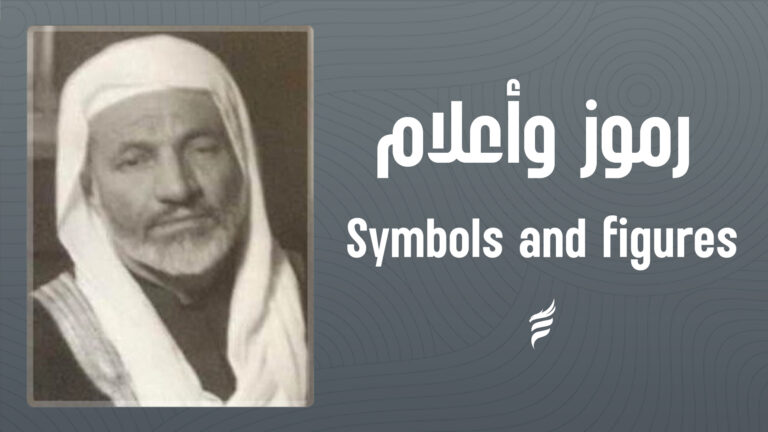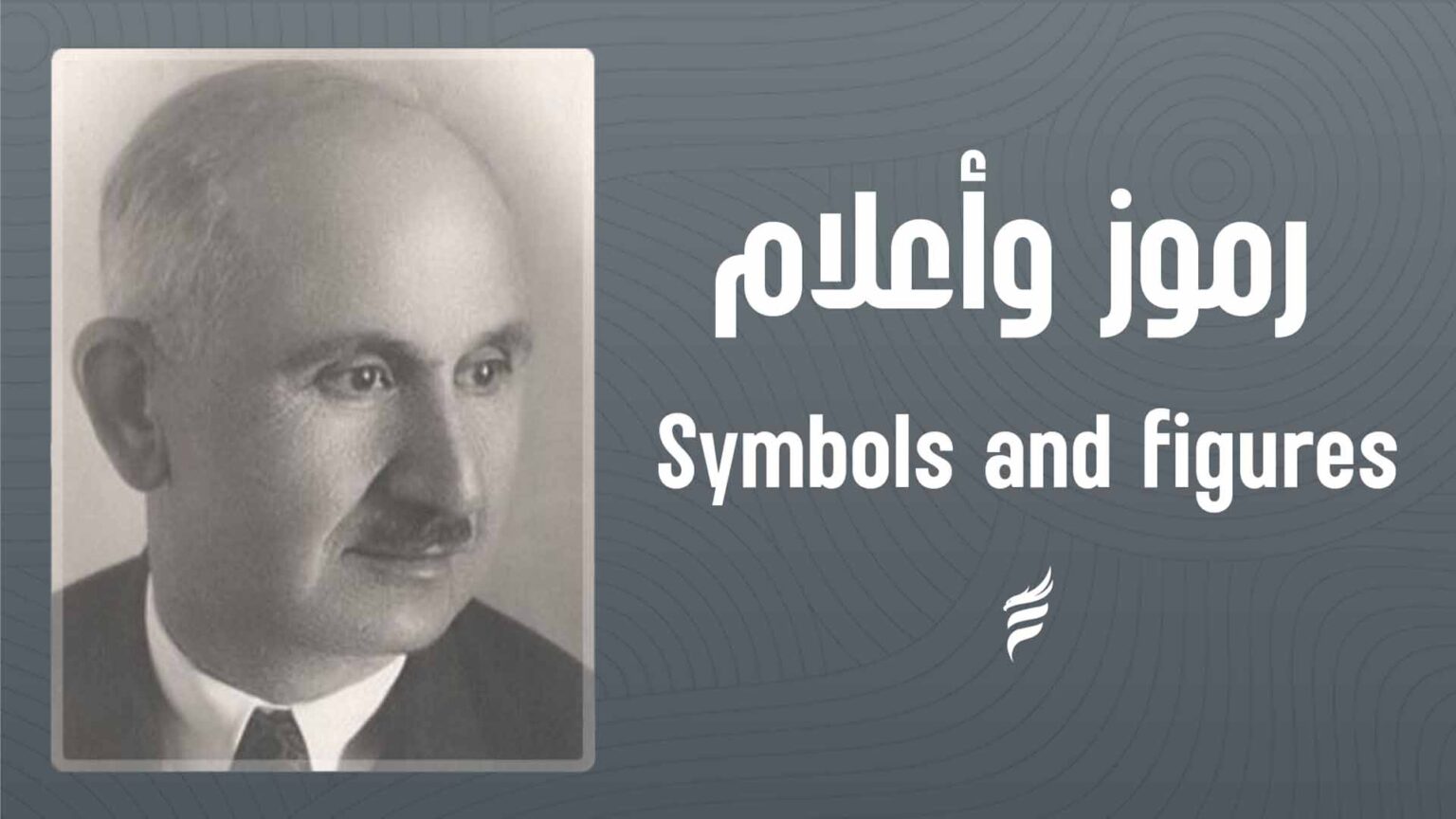
Dr. Abdul Rahman al-Kayyali (1887–1969) is considered one of the most prominent figures in Syrian politics and national thought during the first half of the 20th century. He combined medicine, politics, and intellectual writing, and was among those who contributed to building the institutions of the modern state and establishing the concept of inclusive citizenship.
Early Life and Education:
Abdul Rahman al-Kayyali was born in Aleppo in 1887 into a family known for its scholarship and piety.
He received his primary and secondary education in Aleppo schools, then moved to Beirut to attend the Faculty of Medicine at the American University, graduating in 1914.
During World War I, he served in the Ottoman army as a physician and worked at Hama Hospital between 1914 and 1918.
After the war, he returned to Aleppo and became the head physician of the National Hospital, beginning a new phase of his life in which he combined medicine with public service.
Political Activity and National Participation:
Al-Kayyali joined the ranks of the national movement opposing the French Mandate. He was one of the founders of the National Bloc, which led the political struggle for independence, alongside figures such as Ibrahim Hannanu and Hashim al-Atassi.
He was elected as a representative for Aleppo in the National Congress in 1920, and later in the Constituent Assembly in 1928, which drafted the first constitution of the Syrian Republic.
He was appointed Minister of Justice and Education in Jamil Mardam Bey’s government in 1936, where he initiated significant reforms in the judiciary and education.
In 1943, he assumed the ministries of Justice and Religious Endowments (or Public Works) in the post-Mandate governments until the evacuation in 1946.
Later, he became the head of the Syrian National Party (the successor to the National Bloc) in the early 1950s, before political parties were dissolved during the union with Egypt in 1958.
Reformist and Structural Contributions:
During his tenure as Minister of Justice and Minister of Education, al-Kayyali launched a series of reforms aimed at building modern state institutions, including:
- Sending educational missions abroad to train new national cadres.
- Developing the judicial and educational systems on civil foundations.
- Linking political action to national independence to guarantee equality before the law.
In the intellectual sphere, he left behind prominent works such as:
- “Stages in the French Mandate and in Our National Struggle.”
- “Insights and Opinions.”
The Challenges He Faced:
Al-Kayyali faced numerous challenges due to the complexities of the era in which he lived. Syria was undergoing a transition from mandate to independence, which made it difficult to establish stable institutions.
Furthermore, his influence remained relatively confined to major cities, without reaching deeply into rural areas, thus limiting his ability to build a broad popular base.
Legacy and Stature:
Abdul Rahman al-Kayyali passed away on September 13, 1969, in Aleppo, leaving behind a distinguished national and political legacy.
He is considered one of the most prominent figures of the formative period of the modern Syrian state, embodying the model of the educated patriot who combined scientific competence with national commitment.
He was a proponent of the values of pluralism and citizenship, believing that “religion is for God and the homeland is for all” in a country of diverse sects and ethnicities.
Conclusion:
Dr. Abdul Rahman al-Kayyali represents a model of the multifaceted patriot: physician, politician, and intellectual.
He contributed to laying the foundations of Syrian state institutions and strived to establish the values of justice, knowledge, and citizenship.
Although the circumstances of his era limited the full realization of his reform projects, his impact remains in the national memory.
We in the Syrian Future Movement affirm that commemorating his national legacy today is a tribute to the founding generation who laid the foundations of the modern state, and a call to continue the journey toward a new Syria that embraces all its citizens and is based on the values of diversity, citizenship, and justice.