Introduction:
In light of the radical transformations Syria has witnessed since the fall of Bashar al-Assad’s regime on December 8, 2014, the March 10, 2015 agreement between the Syrian Interim Government and the Syrian Democratic Forces (SDF) emerged as one of the most important attempts to rebuild the Syrian state on new foundations.
However, the clashes that erupted between the Syrian army and the SDF in the southern Raqqa countryside during the third week of November 2015, and the subsequent fragile de-escalation agreement on November 21, raise serious questions about the solidity of this agreement and its ability to withstand the accumulating field and political challenges.
First, the March 2015 Agreement – An Attempt to Restructure the Relationship Between the Center and the Peripheries:
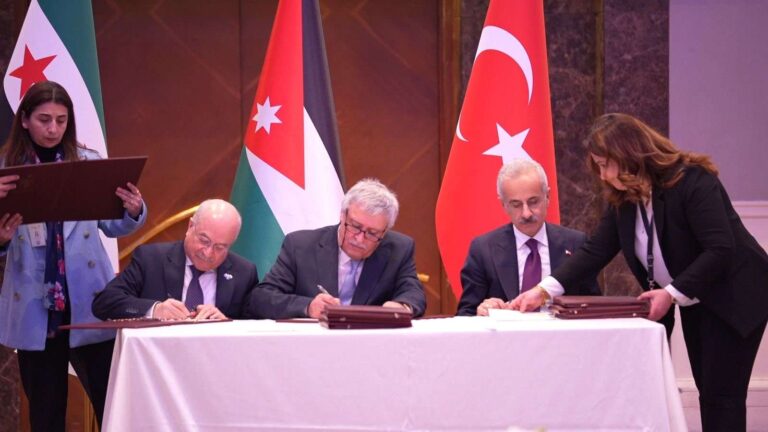
The March agreement came about in an exceptional political context, following the collapse of the previous regime and the formation of an interim government headed by Ahmed al-Sharaa. The agreement, signed by interim President Ahmed al-Sharaa and SDF commander Mazloum Abdi, stipulated the integration of the SDF into the Syrian army, the return of state institutions to areas under their control, and the handover of border crossings and oil and gas fields to the central government, while emphasizing the unity of Syrian territory and rejecting partition plans.
December 31, 2025, was set as the deadline for implementing the agreement’s provisions.
Despite local and international welcome for the agreement, its implementation faced field and administrative obstacles from the outset, most notably the lack of mutual trust, differing visions regarding the nature of the future Syrian state, and the continued military and political influence of the international coalition in areas of northern and eastern Syria.
Secondly, the Raqqa clashes – a field escalation threatening the political process:
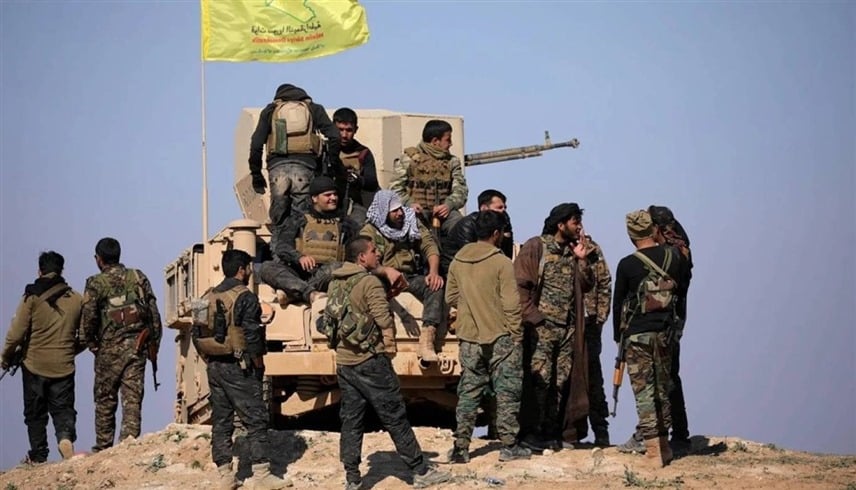
On the night of November 19-20, 2025, SDF units launched an attack on Syrian army positions in the town of Maadan in the southern Raqqa countryside, resulting in the death of two soldiers and the wounding of nine others, according to the Syrian Ministry of Defense.
The Syrian army responded with a counter-offensive, retaking the positions infiltrated by the SDF. Reports surfaced of the SDF using heavy weapons and drones, and of mutilating the bodies of slain soldiers, sparking widespread outrage within military circles and among the public.
On November 21, a meeting was held between representatives of the Syrian army and the SDF, mediated by the international coalition. This resulted in an agreement to cease hostilities and halt mutual targeting, with a reaffirmation of commitment to the March agreement.
However, the SDF demanded the army’s withdrawal from the recaptured positions, a demand rejected by the Syrian military command, which maintained that these positions fell within its national sovereignty.
Third, the implications of the event within the context of the transitional phase:
These clashes reveal the fragility of the political understandings during the transitional phase and highlight several structural problems:
1- The continuation of clashes in areas supposedly subject to the March Agreement indicates the absence of effective mechanisms for controlling conduct on the ground and reflects weak military coordination between the two sides, despite more than eight months having passed since the agreement was signed.
2- The event highlights the ongoing struggle for influence in resource-rich areas, such as Raqqa, where the SDF refuses to relinquish strategic locations, while the government seeks to impose its sovereignty over all Syrian territory, including oil fields and border crossings.
3- The international coalition’s intervention in mediation reflects its continued influence on the Syrian issue, particularly in the northern and eastern regions of the country. This raises questions about the extent of Syrian sovereign decision-making independence in these areas and weakens the government’s ability to impose its national will. 4. The mutilation of the bodies of the dead, a morally and legally reprehensible act, threatens to undermine any attempt to build trust between the two sides, complicates the task of integrating the SDF into the Syrian army, and raises fears of a potential breakdown in the field that could destroy the understandings reached.
Fourth, the broader context – worrying field indicators:
The Raqqa clashes were not an isolated incident, but were preceded by a series of tensions in other areas, including:
- Limited clashes around the town of Ain Issa in late September 2025, stemming from disputes over the management of border crossings.
- Popular protests in the city of Tabqa on October 5, 2025, demanding the withdrawal of the SDF from the city and its handover to local authorities.
- Tensions in Deir ez-Zor between SDF units and pro-government tribal groups in mid-October, stemming from a dispute over the distribution of oil revenues.
These events, taken together, indicate that the March agreement, despite its symbolic and political importance, still lacks a solid implementation structure and faces increasing challenges on the ground.
Conclusion:
The de-escalation agreement in Raqqa, signed on November 21, 2025, should not be viewed as a diplomatic success so much as it is an indication of the fragility of the transitional phase and its lack of mechanisms for control and oversight. The success of the March agreement, and consequently the success of the project to rebuild the Syrian state, requires genuine political will from all parties, the activation of joint implementation mechanisms, balanced international guarantees, and the participation of local communities in shaping their political and administrative future.
The Syrian Future Movement believes that no national project can succeed without establishing a new social contract based on justice, citizenship, and participation, and one that breaks with the logic of hegemony and division. In this context, what happened in Raqqa should be a wake-up call, not the end of the road, and an opportunity to reassess the transitional path before it is too late.