
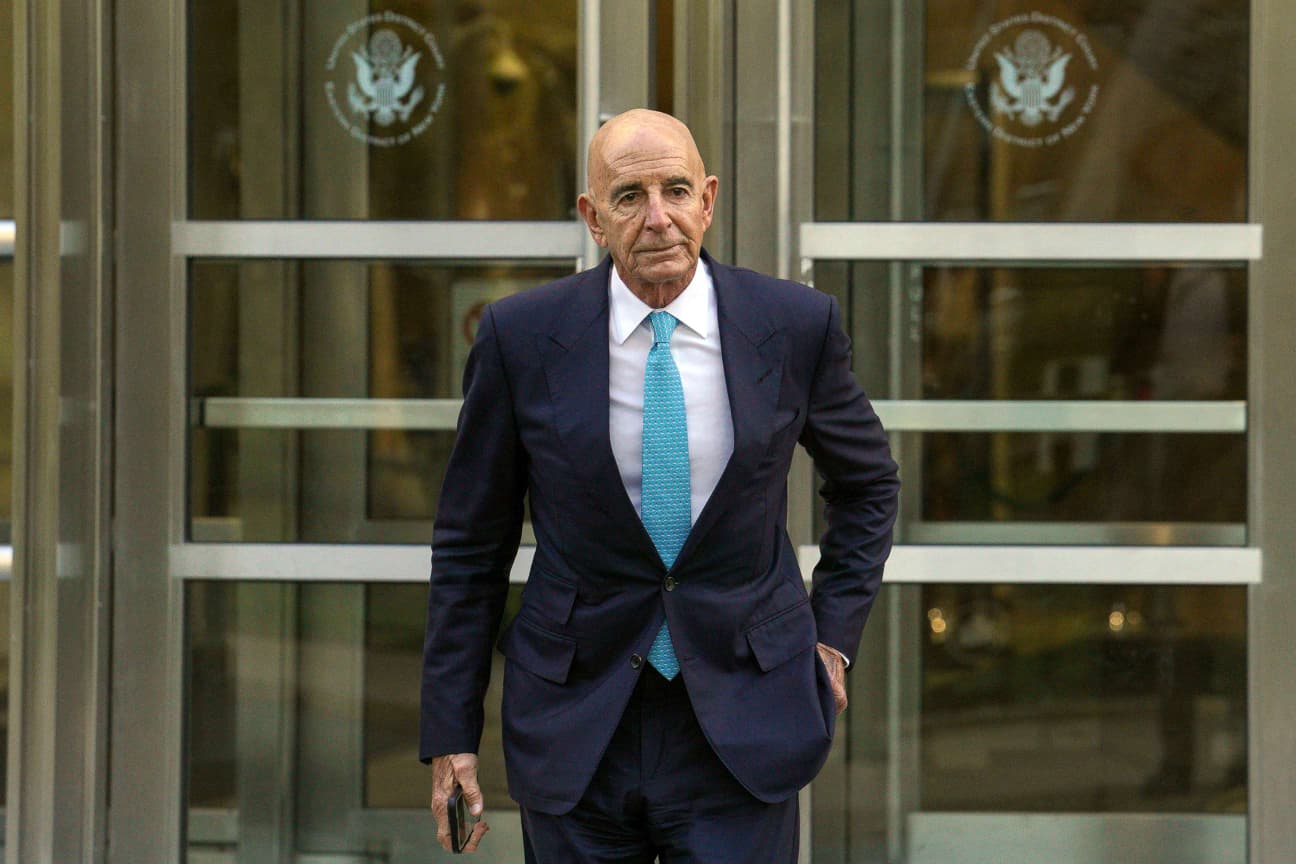
Following the statements made by the American envoy, Thomas Joseph Barrack, who emphasized the need to consider an alternative model to a highly centralized state, stressing that a federal model is not the solution but rather a more rational approach that preserves the dignity of Syria’s components and their cultural identity while avoiding the threats of Islamism.
Although this vision comes from an external actor, it intersects in many points with the approach adopted by the Syrian Future Movement for years, which we have called: Service-Based Decentralization.
The transformations the country has witnessed over the past years, and more recently after the fall of the Assad regime, have clearly shown that a rigid centralized system is no longer capable of meeting the needs of a multi-ethnic and multi-sectarian society, especially in light of historical grievances and the absence of trust between the center
and the periphery. Furthermore, maintaining centralization means maintaining a state of tension that could explode at any moment, making the search for alternatives a matter of survival rather than a political luxury.
We had hoped this approach would emerge from within the new leadership itself, as it would demonstrate awareness of the stage, flexibility in reconciling differences, and the ability to preempt both internal and external exploiters.
Instead, it now appears as an American directive to think outside the box in pursuit of the desired political stability.
While some internal and external actors are pushing for federal solutions in Syria, the Syrian Future Movement believes that such a model carries the risks of division and deepening national fragmentation.
In contrast, we have advocated and worked toward a “Cooperative Service-Based Decentralization” model as a realistic alternative that balances preserving state unity and guaranteeing local rights.
This model is based on:
- Retaining sovereign, defense, and political decision-making in the hands of the central government.
- Granting local administrations broad service-related powers in education, health, municipalities, and resource management.
- Ensuring community participation in developmental and service decision-making without turning them into independent political entities.
This approach stems from our deep reading of the current landscape, which reveals significant challenges in areas such as Sweida, the northeastern regions under the control of the Syrian Democratic Forces, and the Syrian coast, which is predominantly Alawite.
These regions do not hide their fears of returning to a strict central authority and often justify their stance by citing threats to their cultural and social particularities. Here, the role of “Cooperative Service-Based Decentralization” emerges as a reassurance formula for these communities through:
- Granting them the ability to manage their local affairs.
- Respecting their cultural and religious identity.
- Integrating them within the national framework through fair partnership without dominance.
Adopting this model, in our view, achieves several strategic objectives:
- Strengthening national stability by reducing sources of tension and resentment.
- Rebuilding trust between the state and society through shared responsibilities.
- Facilitating the reconstruction process by activating local authorities in service delivery.
- Weakening separatist projects fueled by fears of exclusion and centralized dominance.
We in the Syrian Future Movement have repeatedly emphasized the need to transition from a rigid centralized system to a service-based decentralized model founded on principles of cooperation and national integration, not division or isolation. This vision is not merely a political proposal but a future action plan aimed at:
- Building a strong state with unified sovereignty.
- Embracing all components under one umbrella that respects diversity.
- Turning differences into constructive energy through participation, not confrontation.
The statements by Thomas Barrack are merely an indication that the international community has begun to recognize what we have long advocated and reiterated in recent months: the new Syria will not stabilize except through a governance model that is more flexible, more inclusive, and closer to the spirit of cooperative justice.
Adopting service-based decentralization today is not only a political option but an existential necessity to ensure the unity and stability of the state in light of current challenges.