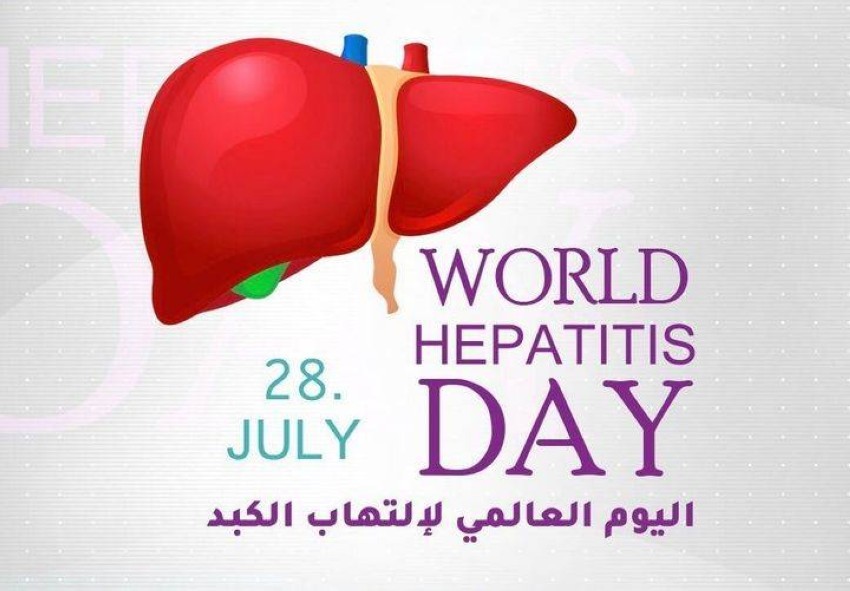
On the anniversary of World Hepatitis Day, July 28, the Syrian Future Movement affirms its unwavering commitment to establishing the foundations of health justice as an essential component of the process of rebuilding Syria after liberation from the era of tyranny.
On this occasion, we recall a deteriorating health reality and citizens who have been deprived for years of the right to information and treatment. We believe that the current historical moment offers a real opportunity to reshape the relationship between Syrians and the healthcare system based on rights, accountability, and participation.
The Syrian Future Movement views World Hepatitis Day as a national platform to rebuild trust, activate health citizenship, and enhance the role of civil society in formulating policies based on rights, not loyalty, transparency, not obfuscation, and accountability, not guardianship.
The Syrian Future Movement calls for addressing hepatitis as a mirror reflecting institutional injustices, geographical disparities, and the absence of legislation. We work to transform this occasion into a community-based mechanism for producing just and comprehensive policies.
The Syrian Future Movement proposes a map of demands that includes:
- Institutionalizing World Health Day as a participatory national health event, led independently by civil society organizations and independent of previous official frameworks.
- Launching the “Liver Justice” initiative as a pilot program that provides free screening and vaccination services and issues an annual report documenting the health situation and reflecting the Syrian reality.
- Integrating hepatitis testing into marriage and medical fitness examinations as a basis for prevention and health justice.
- Drafting a transitional legislative code that enshrines the right to free screening and treatment, in accordance with international human rights standards.
- Training qualified community health workers to manage the disease, raise awareness, conduct local monitoring, and combat stigma.
- Effective partnerships with international health and human rights organizations to support these efforts and overcome the effects of sanctions and administrative fragmentation.
- Ensuring access to health services to marginalized and rural areas, within a decentralized, flexible, and needs-based strategy.
Today, the Syrian Future Movement addresses every Syrian citizen, every national institution, and every civil society organization: Let July 28 be a new beginning for a health policy based on respect, participation, and collective recovery. We don’t want World Hepatitis Day to be filled with slogans; rather, we want programs, networks, initiatives, and legislation that will lead us toward a country that is healed from injustice as well as from disease.
The Syrian Future Movement calls on the United Nations, the World Health Organization, and human rights organizations to include the issue of hepatitis among the priorities of the health response and transitional justice in Syria, and to provide technical, logistical, and financial support to activate community initiatives based on rights and participation.
The Syrian Future Movement sees World Hepatitis Day as an opportunity to activate a new health legitimacy, consolidate the concept of therapeutic citizenship, and build a Syria that heals its wounds with solidarity, justice, and knowledge.